
Insulation Company in Rolling Hills Estates, CA
Blown in insulation is the most common retrofit we perform in Rolling Hills Estates, and it solves a problem most homeowners here don’t realize they have until the first damp, windy winter. The 1950s and 1960s ranchers and split-levels on these hillside lots were built when insulation was an afterthought, and forty or fifty years of onshore wind off the Pacific has scoured and compressed whatever thin material was originally stapled in. Warm House Insulation Co has served Rolling Hills Estates since 2011, and we match the right material, whether cellulose, fiberglass, or mineral wool, to homes that need air sealing and moisture control as much as added R-value. Call (866) 361-3775 for a free estimate.
Why Rolling Hills Estates Homes Are Different
Rolling Hills Estates sits on the Palos Verdes Peninsula’s ocean-facing slopes, where the marine layer rolls in most mornings and afternoon onshore winds push cool, damp air against ridge-side homes. The housing stock is almost entirely custom single-family construction from the 1950s through the 1970s: mid-century ranchers stepping down canyon rims, split-levels tucked into hillside folds, and large lots with mature eucalyptus and pine. Many of these homes still carry their original thin batt insulation that was undersized even by the standards of its day. Vented attics and raised cripple-wall crawlspaces are the norm, and the crawlspaces especially become condensing surfaces when warm interior air meets cool, damp soil air. On the canyon-rim streets closest to the ocean, attic insulation jobs frequently turn into air-sealing and vapor-management jobs because crews find wind-scoured batts, compressed fiberglass, and condensation staining on roof sheathing. Slope drainage also matters here: a crawlspace that traps runoff from an uphill neighbor will defeat new insulation in a season, so we assess moisture before we recommend material.
Our Main Rolling Hills Estates Services
When Rolling Hills Estates homeowners call us, the conversation usually starts with one of two rooms: the attic or the exterior-facing walls that never quite warm up. Both services have dedicated pages that cover what the job looks like on these hillside lots.
Attic Insulation in Rolling Hills Estates
Most Rolling Hills Estates attics are vented, which means outside air moves through them constantly. That is fine in principle, but the original insulation in these homes has usually settled, compressed, or been pushed around by decades of wind. We inspect the attic floor, check for air leaks around light fixtures and plumbing penetrations, and then bring the attic up to current standards with the right material for the home’s exposure. Attic Insulation in Rolling Hills Estates owners tell us the upstairs rooms stop swinging ten degrees between morning and afternoon once the work is done.
Spray Foam Insulation in Rolling Hills Estates
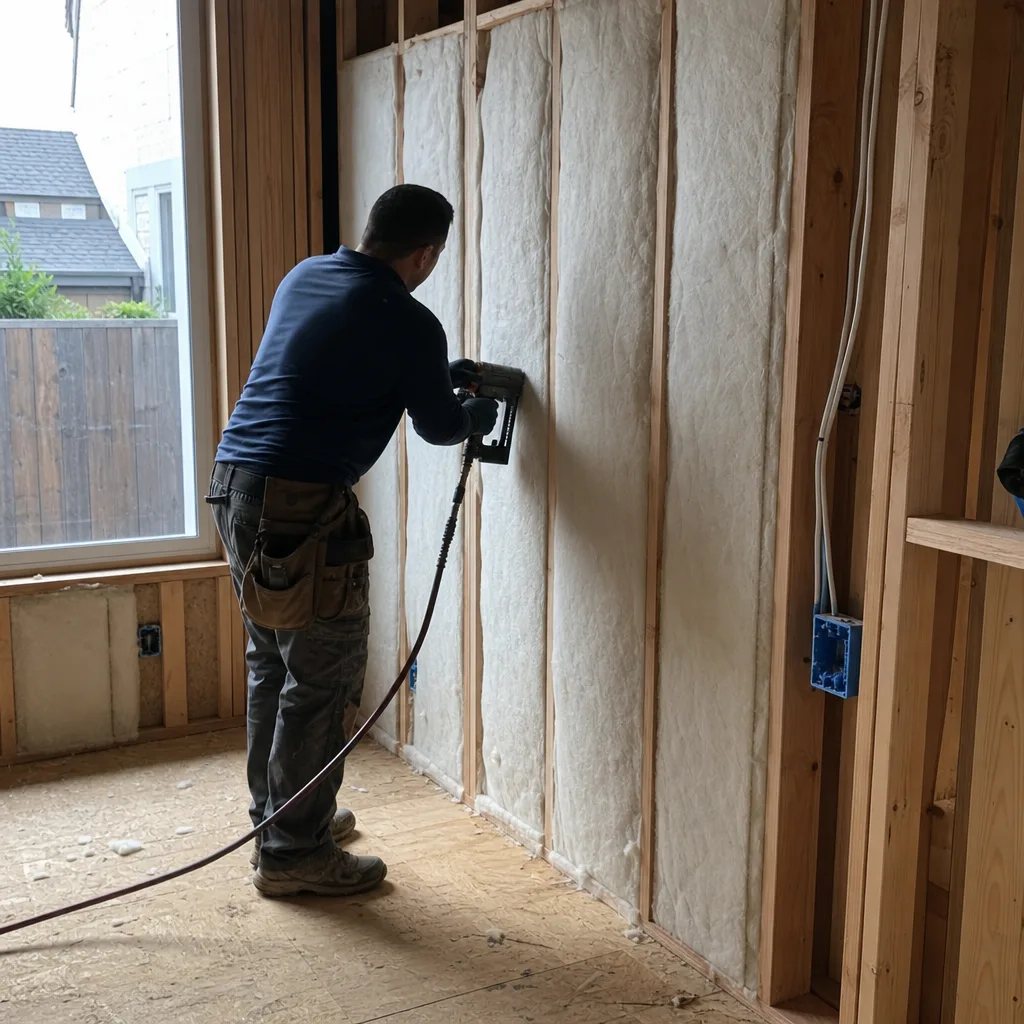
For ocean-facing canyon-rim homes where wind-driven moisture keeps getting into wall cavities and rim joists, spray foam is often the only product that seals and insulates in one pass. We install both Icynene open-cell and Demilec closed-cell systems, which means we can specify by the home’s actual condition instead of the one product a single-brand contractor happens to stock. Spray Foam Insulation in Rolling Hills Estates walks through what each system costs and where in the house it makes sense.
What happens when you call
- 1
A real person answersNo phone trees — you reach a local pro.
- 2
You get an upfront price rangeHonest numbers before anyone is dispatched.
- 3
A background-checked tech heads outLicensed & insured, dispatched right away.
- 4
You approve before work beginsNothing starts until you say go.
Blown In Insulation in Rolling Hills Estates
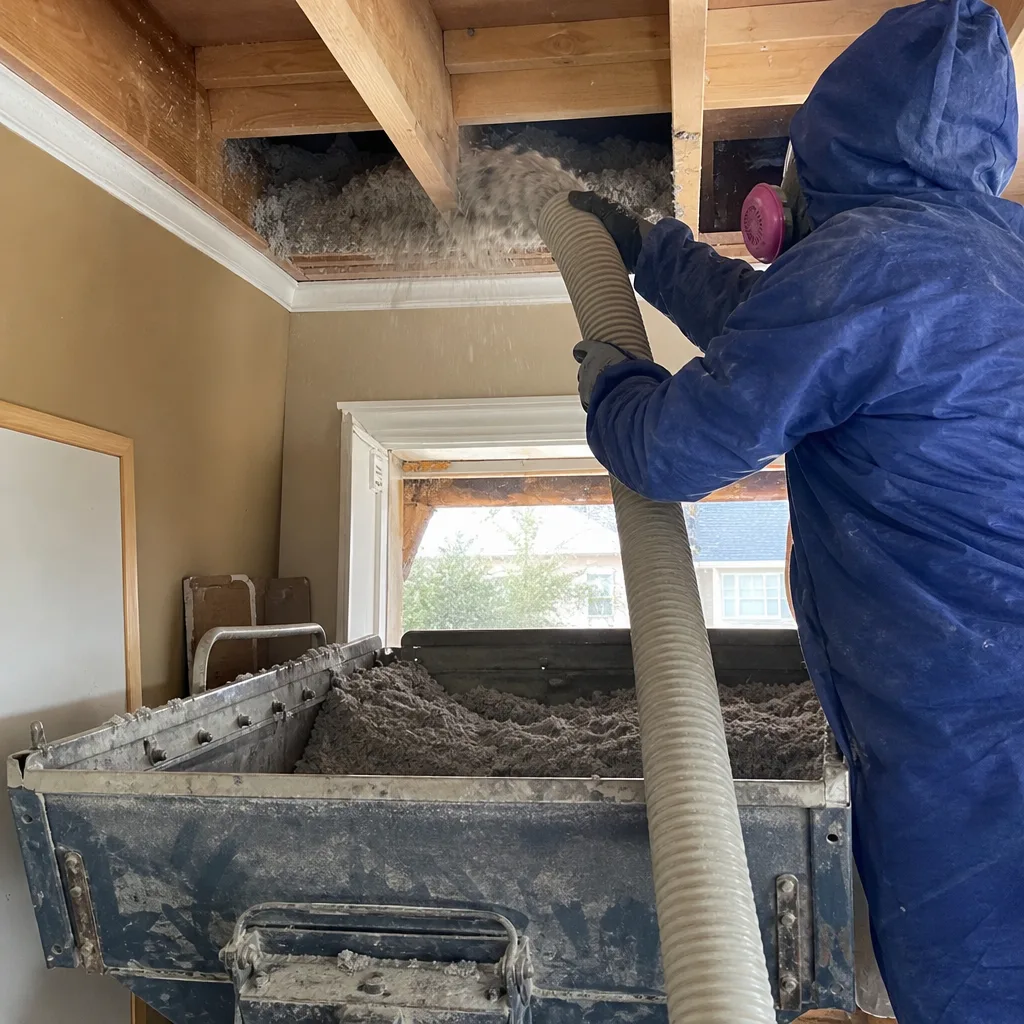
Blown in insulation is the most practical retrofit for Rolling Hills Estates homes because it can reach the irregular cavities, shallow slopes, and hard-to-access corners that are common in 1950s and 1960s construction. In this coastal climate, the goal is rarely just more R-value; it is making the house stop leaking conditioned air into the marine layer and stop letting damp afternoon air creep into the building envelope. We install Blown In Insulation as a dense-packed application in walls, a deep loose-fill layer in attics, and occasionally a stabilized cellulose blanket on exposed sloping sections. For most Rolling Hills Estates homes, blown in cellulose or fiberglass is the most cost-effective way to add insulation without tearing open walls, and the air-sealing work we do alongside it is what actually moves the needle on comfort and heating load.
Cellulose Insulation
Signs you need it
Rooms on the windward side of the house feel cold in the afternoon even with the heat on, and the furnace runs noticeably longer than it used to.
What it costs in Rolling Hills Estates
Cellulose wall retrofits in Rolling Hills Estates typically run $1.50 to $3.50 per square foot installed, depending on wall access and whether we are dense-packing from inside or outside.
How we do it
We remove a strip of siding or drill interior access holes, dense-pack the cavity with GreenFiber or Knauf cellulose at the right pressure for the framing depth, and seal every opening before finishing.
Blown In Attic Insulation
Signs you need it
The existing attic insulation is compressed, uneven, stained in places from condensation, or the upstairs never holds temperature after the sun goes down.
What it costs in Rolling Hills Estates
Blown in attic insulation for a typical Rolling Hills Estates rancher runs $1,800 to $4,200, with the exact price tied to square footage and how much air sealing the attic needs.
How we do it
We air-seal penetrations and top plates, baffle the eaves to keep ventilation paths open, and blow loose-fill insulation to a depth that meets the R-value target for the home’s roof assembly.
Blown In Cellulose Insulation
Signs you need it
You want a high-recycled-content material that reduces air infiltration better than fiberglass in an older home with leaky framing, or the existing wall insulation has settled into useless lumps.
What it costs in Rolling Hills Estates
Blown in cellulose in Rolling Hills Estates matches the general $1.50 to $3.50 per square foot range for wall retrofits, with attic loose-fill applications priced between $1,800 and $4,200 on average.
How we do it
We use GreenFiber cellulose for most jobs, running the material through a calibrated blowing machine and dense-packing walls at 3 to 3.5 pounds per cubic foot so it will not settle over time.
Blown In Fiberglass Insulation
Signs you need it
You have an attic that is easy to access, the existing insulation is thin or missing in places, and you want a material that will never settle or absorb moisture in a leaky vented attic.
What it costs in Rolling Hills Estates
Blown in fiberglass for Rolling Hills Estates attics falls in the $1,800 to $4,200 range for standard homes, pricing slightly below dense-packed wall work because access is typically faster.
How we do it
We run Knauf or CertainTeed loose-fill fiberglass through the blowing machine, build the depth evenly across the attic floor, and never bury soffit vents, can lights, or other equipment that needs clearance.
Loose Fill Insulation
Signs you need it
You have a vented attic with plenty of height and no signs of moisture problems, and the current insulation is either the original thin layer or has been disturbed by past work.
What it costs in Rolling Hills Estates
Loose fill insulation in Rolling Hills Estates is priced per square foot, with attic applications typically landing between $1,800 and $4,200 for the homes in the 90505 zip code.
How we do it
We calculate the target R-value, check ventilation and sealing first, then blow the loose fill to a consistent depth across the full attic floor and mark the final depth for your records.
What Blown In Insulation Costs in Rolling Hills Estates
| Item | Typical range in Rolling Hills Estates |
|---|---|
| Wall cavity retrofit, per sq ft | $1.50 – $3.50 |
| Attic air seal and blown-in retrofit | $1,800 – $4,200 |
| Crawlspace rim joist sealing and insulation | $900 – $2,200 |
Is blown in insulation worth it in Rolling Hills Estates’ mild climate?
Yes, because the problem here is not extreme heat but moisture and air movement. Stopping air leaks cuts drafts and condensation, and the insulation keeps indoor temperatures steady even when the marine layer sits overhead all day. Call (866) 361-3775 for an exact quote on your home.
Can you blow insulation into existing walls without major remodeling?
Yes. We dense-pack from the exterior through small access holes or from inside between stud bays, then patch and paint the openings. For Rolling Hills Estates wood-siding homes, the exterior approach is usually the least disruptive. Call us for a wall-by-wall assessment.
Brands We Service in Rolling Hills Estates
We stock and install spans the product range: CertainTeed and Knauf for loose-fill and batt work, Rockwool mineral wool for fire-resistance and sound control in hillside remodels, and Icynene spray foam for air-sealing applications. Materials for Rolling Hills Estates jobs are normally on site within a few days. See our brands for the full portfolio.
Pricing for Insulation Company in Rolling Hills Estates, CA
| Service | Typical range in Rolling Hills Estates |
|---|---|
| Blown in wall cavity retrofit, per sq ft | $1.50 – $3.50 |
| Blown in attic insulation | $1,800 – $4,200 |
| Cellulose dense-pack, per sq ft | $1.50 – $3.50 |
| Spray foam, open-cell, per sq ft | $1.20 – $2.50 |
| Spray foam, closed-cell, per sq ft | $2.50 – $5.00 |
| Attic air sealing only | $600 – $1,500 |
| Crawlspace rim joist sealing | $900 – $2,200 |
| Mineral wool batt installation, per sq ft | $2.00 – $4.00 |
What pushes a Rolling Hills Estates quote higher is usually access: steep driveways, second-story attics with no interior stairs, and crawlspaces that need moisture correction before insulation can go in. The price we quote before the work starts is the price you pay, with no surprise line items.
Neighborhoods We Serve in Rolling Hills Estates
We work across the full city and the 90505 zip code, from the canyon-rim streets above the ocean to the more sheltered inland slopes. Typical response time for an estimate in Rolling Hills Estates is same week, and we schedule retrofit work around your availability.
- Rolling Hills Estates central hillside
- Dapplegray and the canyon-rim streets
- Empty Saddle area
- Palos Verdes Peninsula interface neighborhoods
- Ridgecrest and the steeper interior lots
Service Area – Cities Near Rolling Hills Estates
Warm House Insulation Co serves the full South Bay and Palos Verdes Peninsula. Homeowners in Palos Verdes Estates, CA often face the same ocean-wind exposure on their ridge lines. We also support jobs in Torrance, CA, Lomita, CA, and Manhattan Beach, CA where marine-layer air performs the same way against older coastal homes.
Serving Rolling Hills Estates, CA — Our Local Coverage Area
We’re based in the Rolling Hills Estates area and know this community well. Use the map below to see our service coverage — if you’re nearby, we can almost certainly help.
FAQs About Insulation Company in Rolling Hills Estates
We typically reach Rolling Hills Estates homes within the same week, often within two or three days. The inspection includes the attic, accessible crawlspace, and any rooms where you have noticed drafts or temperature swings. Estimates are free, and we explain what we find before we quote.
Most exterior work, such as blowing insulation through siding, requires only standard city permits. If your HOA has architectural review rules, we can help you prepare the description of the work. Interior or attic-only retrofits rarely trigger HOA review. We handle the permitting conversation before work begins.
Yes. Attic work in Rolling Hills Estates is scheduled around the morning moisture, especially for spray foam and air-sealing applications that need dry substrate. We plan installation windows carefully and will tell you up front if a weather window will affect the start date. Call (866) 361-3775 to schedule.
What happens when you call
- 1A real person answersNo phone trees — talk to a local insulation pro.
- 2You get an upfront price rangeHonest numbers before anyone is dispatched. No surprises.
- 3A background-checked tech heads outLicensed & insured, typically within the hour.
- 4You approve before work beginsNothing starts until you say go.
What Rolling Hills Estates Customers Say
"Installed baffles at the soffits so the new insulation didn't block the ventilation, which the previous contractor apparently never considered."
— Maria Ramirez"Told me the crawlspace didn't need doing and only the attic did. Half the job, half the money."
— Daniel Reed"Handled the utility rebate paperwork, which knocked a real amount off the final cost."
— Ernesto Reyes