Fast, Reliable Attic Insulation Across Canyon Lake
Attic insulation in Canyon Lake typically runs $1,800 to $4,600 for a full retrofit on the 1970s and 80s homes that make up most of this gated community, and we can usually be on-site within 48 hours. Those older wood-frame houses were built as weekend lake cabins with minimal R-19 batts, and five decades of hot Inland summers plus reservoir humidity have done real damage to that original material. If your upstairs rooms spike past 85°F by noon in July, or your AC runs constantly while the downstairs feels fine, the attic is almost always the culprit. Call (866) 361-3775 and we’ll diagnose what’s actually happening above your ceilings before recommending a single product.
Why Warm House Insulation Co Is Canyon Lake’s Preferred Attic Insulation Company
Canyon Lake homeowners keep calling us because we understand what happens to insulation in a gated lakeside community with 100°F summers and year-round water vapor. Most of the homes we service along Canyon Lake Drive South, off Vacation Drive, and through the East Gate were built between 1972 and 1985, and they share the same failure patterns: sagging batts, blocked soffit vents, and attic hatches that leak conditioned air straight into the canyon heat. We’ve walked through dozens of these floor plans and we know where the problem spots are before we even climb the ladder.
Ruben Castellano leads every project, and he’s spent years matching the right insulation method to Riverside County’s specific climate demands. We don’t stock one product and force it into every attic. We carry fiberglass from Owens Corning and CertainTeed, Rockwool mineral wool, Icynene spray foam, and GreenFiber cellulose so the recommendation comes from what your home actually needs. That’s why Canyon Lake residents keep referring neighbors to us.
We show up when we say we will. Our crews know the gate access procedures and we coordinate with the POA requirements, which matters when you’ve scheduled a retrofit around a HOA approval. Expect a straight answer, a written scope, and a crew that cleans up after itself.
Radiant Barrier in Canyon Lake
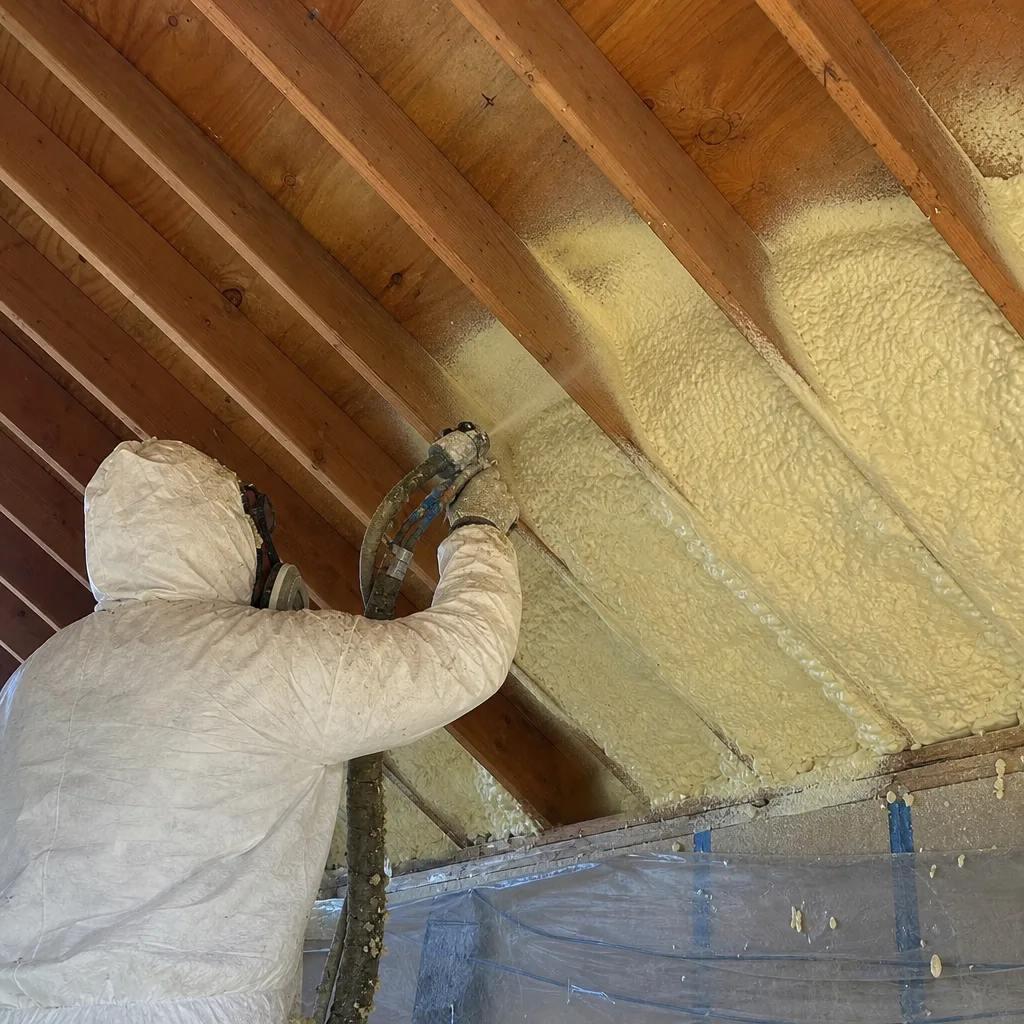
Radiant Barrier is one of the highest-impact upgrades we install in Canyon Lake, where attic temperatures regularly exceed 130°F from June through September. A radiant barrier is a reflective foil layer installed on the underside of your roof deck that reflects radiant heat back out instead of letting it soak into your insulation. In a Canyon Lake home with a dark composition shingle roof and original 1970s batts, adding a radiant barrier typically drops attic temperature by 20 to 30 degrees, which translates directly into cooler upstairs bedrooms and less strain on your HVAC.
Radiant barrier installation in Canyon Lake runs $1,200 to $2,800 depending on attic square footage and roof pitch. It pairs well with blown-in insulation top-ups, which we cover below.
When Lake-Side Homes Need It Most
Homes on the western side of the lake, near the East Bay or along Continental Drive, get direct afternoon sun with zero natural shade. The roof deck absorbs heat all day and radiates it down into the attic cavity overnight. A radiant barrier stops that transfer at the source.
Reflective Foil and Attic Ventilation
Radiant barrier works best when attic ventilation is functioning. In Canyon Lake’s 1970s-era homes, we frequently find soffit vents painted over or blocked by decades of dust. We check the airflow path before or during radiant barrier installation, because a sealed attic with a radiant barrier can trap heat and moisture instead of shedding it.
Attic Cleaning Services in Canyon Lake
Attic Cleaning Services in Canyon Lake matter more than in most cities because of what accumulates in these attics after 40-plus years: rodent droppings, blown-in dust from the Santa Ana winds, and in some lake-side homes, mold from humidity that wicked up through unsealed penetrations. Before we install new insulation, we remove the old material, vacuum the deck, and treat for any biological growth. You can’t install fresh batts over contaminated material and expect healthy indoor air.
Attic cleaning in Canyon Lake typically costs $600 to $1,400 for a standard single-family home, with additional cost for sanitizing treatments, rodent waste removal, or mold remediation if we find moisture damage. It’s the step most contractors skip, and it’s the step that determines whether your new insulation actually performs long-term.
Lake Humidity and Contamination
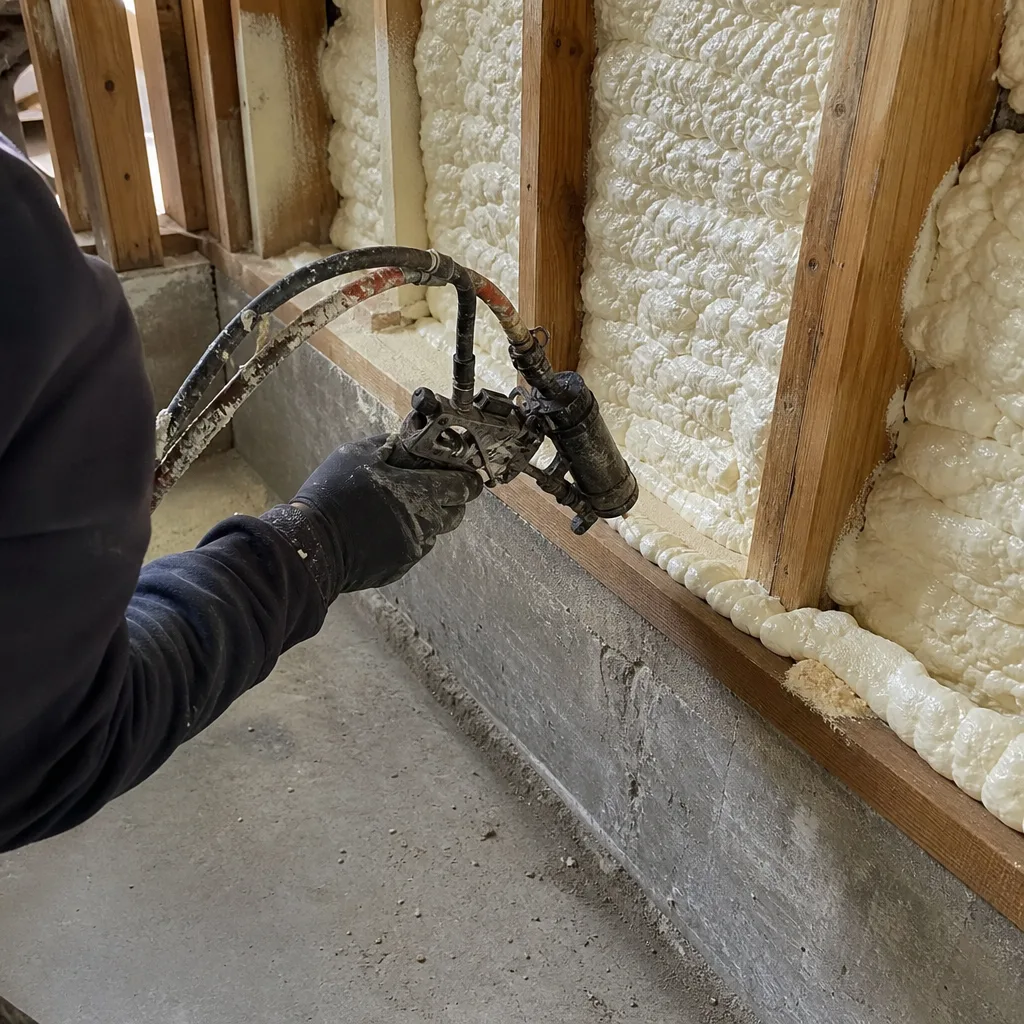
On a 1978 wood-frame home near the Canyon Lake Lodge, we found the original fiberglass batts compressed to R-7 and a soffit vent blocked by a wasp nest, causing 110°F attic air to push through can lights. Our crew removed the degraded batts, air-sealed the top plates, installed R-38 Owens Corning fiberglass with a radiant barrier, and added a vapor barrier in the damp crawl space to stop lake-humidity condensation. The homeowner reported a 12°F drop in upstairs room temperature the following week.
Rodent and Pest Debris Removal
The canyon surrounding Canyon Lake is full of roof rats and tree squirrels that find their way into attics through rotted fascia boards and gable vents. Their droppings and nesting material degrade insulation R-value and create odor and allergen problems. We remove it all, sanitize the deck, and seal the entry points before new insulation goes in.
What happens when you call
- 1
A real person answersNo phone trees — you reach a local pro.
- 2
You get an upfront price rangeHonest numbers before anyone is dispatched.
- 3
A background-checked tech heads outLicensed & insured, dispatched right away.
- 4
You approve before work beginsNothing starts until you say go.
Trusted Brands We Service in Canyon Lake
Warm House Insulation Co is authorized to install products from eight manufacturers, which means we’re not pushing a single brand because it’s what we happen to stock. For Canyon Lake attics we frequently specify Owens Corning fiberglass batts for standard retrofits, Rockwool mineral wool where fire-resistance and sound dampening matter, and CertainTeed blown-in for top-ups over existing batts. We also install Icynene spray foam in cathedral ceilings and difficult attic configurations where batts can’t reach. We stock these materials in our Stanton warehouse, so Canyon Lake jobs don’t wait on backorders. The right product for your attic is the one that matches your heat load, your moisture exposure, and your budget. That’s the decision we help you make.
Common Attic Insulation Problems We See in Canyon Lake Homes
- Compressed original batts. The R-19 fiberglass installed in 1970s and 80s Canyon Lake homes has sagged under lake-humidity cycles and decades of foot traffic from pest control and cable installers. Many attics we test are performing at R-7 or less.
- Damp crawl spaces pushing moisture upward. Lake-side homes off Big Bass Drive and Indian Beach sit over crawl spaces that stay damp year-round from reservoir humidity. That moisture migrates up through unsealed wall cavities and attic penetrations, soaking insulation and feeding mold behind knee walls.
- Blocked or missing soffit vents. Older Canyon Lake homes were built with marginal ventilation, and many soffit vents have since been painted over or clogged with dust and insect nests, turning the attic into a heat trap.
- Air-sealing failures at can lights and attic hatches. Hot canyon air pushes through recessed light fixtures and poorly sealed attic access hatches, wasting the performance of whatever insulation exists. Sealing these penetrations is part of every retrofit we do.
Pricing for Attic Insulation in Canyon Lake, CA
Here are the real numbers we quote on Canyon Lake jobs. A full attic insulation replacement on a 1,500-square-foot 1970s ranch typically runs $2,200 to $4,600, including removal of old material and basic air sealing. An attic insulation top-up over existing batts runs $1,200 to $2,400. Blown-in attic insulation for a standard Canyon Lake home costs $1,800 to $3,800. A radiant barrier installation is $1,200 to $2,800, and attic cleaning is $600 to $1,400 depending on contamination level. What moves the price is attic square footage, accessibility through older hatches, moisture damage requiring remediation, and whether we’re adding a vapor barrier for lake-side humidity. All estimates are free and written. Call (866) 361-3775 for a number specific to your house.
We Also Serve Cities Near Canyon Lake
Our crews work throughout the hills and valleys around Canyon Lake, and we regularly complete attic insulation projects in Meadowbrook, Sedco Hills, Lakeland Village, and Quail Valley. If you’re in one of those communities and your attic is underperforming, the same crew, the same brands, and the same local knowledge applies. See our full Attic Insulation services for details on what we install and how we diagnose problems.
Serving Canyon Lake, CA — Our Local Coverage Area
We’re based in the Canyon Lake area and know this community well. Use the map below to see our service coverage — if you’re nearby, we can almost certainly help.
FAQs About Attic Insulation in Canyon Lake
Yes, on lake-side homes we recommend a vapor barrier in the crawl space and careful air sealing at the attic floor. The reservoir keeps the ground around Canyon Lake damp year-round, and that moisture rises through unsealed penetrations into the attic, where it condenses against insulation and framing. A vapor barrier stops that migration at the source. Homes on the inland side of the community, farther from the shoreline, may not need one. We assess this during the estimate. Call (866) 361-3775 and we’ll tell you what your specific lot requires.
Retrofit, almost always. The original R-19 batts in a 1979 Canyon Lake home have lost most of their loft and are performing at roughly R-7 or R-8. Adding new insulation on top without removing the old material traps dust, rodent waste, and moisture against the deck. A proper retrofit means removing the old batts, air sealing the top plates and penetrations, installing new R-38 or R-49 material, and adding ventilation or a radiant barrier as needed. It’s a bigger job than a top-up, but it’s the one that actually works.
For a converted vacation home in Canyon Lake, we typically recommend blown-in cellulose or R-38 fiberglass batts plus a radiant barrier, and we pay special attention to air sealing. These houses were built as weekend getaways with intermittent occupancy, so they rarely got upgraded insulation when owners moved in full-time. The result is an attic that lets heat pour in all summer and escapes all winter. A full retrofit addresses both. Some homes with cathedral ceilings need Icynene spray foam instead of batts. We’ll tell you which is right after seeing your attic.
Lake-effect humidity accelerates insulation degradation and increases the chance of mold in attics, which makes cleaning and removal a bigger job in Canyon Lake than in drier inland cities like Menifee or Temecula. We often find batts that are damp to the touch, holding moisture against the drywall, and we have to remove them carefully rather than bagging and disposing without containment. We also inspect for mold on the underside of the roof deck and treat it before new material goes in.
Yes. While insulation is our core specialty, we routinely replace attic access hatches and weather-strip the openings to stop hot canyon air and insects from entering the attic envelope. Many early one-piece or sectional garage doors and their legacy springs fail at the same time as attic hatch weatherstripping in Canyon Lake homes of this era. If your attic hatch is warped or unsealed, that’s part of the retrofit. Call (866) 361-3775 and we’ll include it in your scope.
Written by Ruben Castellano, Owner at Warm House Insulation Co, serving Canyon Lake and surrounding Riverside County communities.