Fast, Reliable Attic Insulation Across Crestline
If your Crestline home leaks heat all winter and bakes all summer, the fix is usually in the attic. Most homes in 92325 were built between 1960 and 1985 as mountain cabins or second homes, which means insulation was an afterthought. That changes how we approach every job here. We’re Warm House Insulation Co, and we diagnose the specific problem in your attic before recommending any material. Call (866) 361-3775 for a free estimate, and we’ll walk you through what’s actually going on up there.
We work throughout Crestline, from the neighborhoods around Lake Gregory up toward the higher slopes off Lake Drive and along the 138 corridor. High-elevation cold doesn’t forgive shortcuts. Neither does the local fire marshal. We know both constraints intimately.
Why Warm House Insulation Co Is Crestline’s Preferred Attic Insulation Company
Most insulation contractors in the San Bernardino Mountains stock one or two products and make your home fit whatever they happen to carry. That’s backwards. We carry eight brands across every major category, including Rockwool mineral wool, Johns Manville and CertainTeed fiberglass, and spray foam systems from Icynene and Demilec. That breadth matters in Crestline specifically, because the local fire code often forces us away from the first product we’d otherwise pick. Having options means your assessor’s requirements actually get met, not talked around.
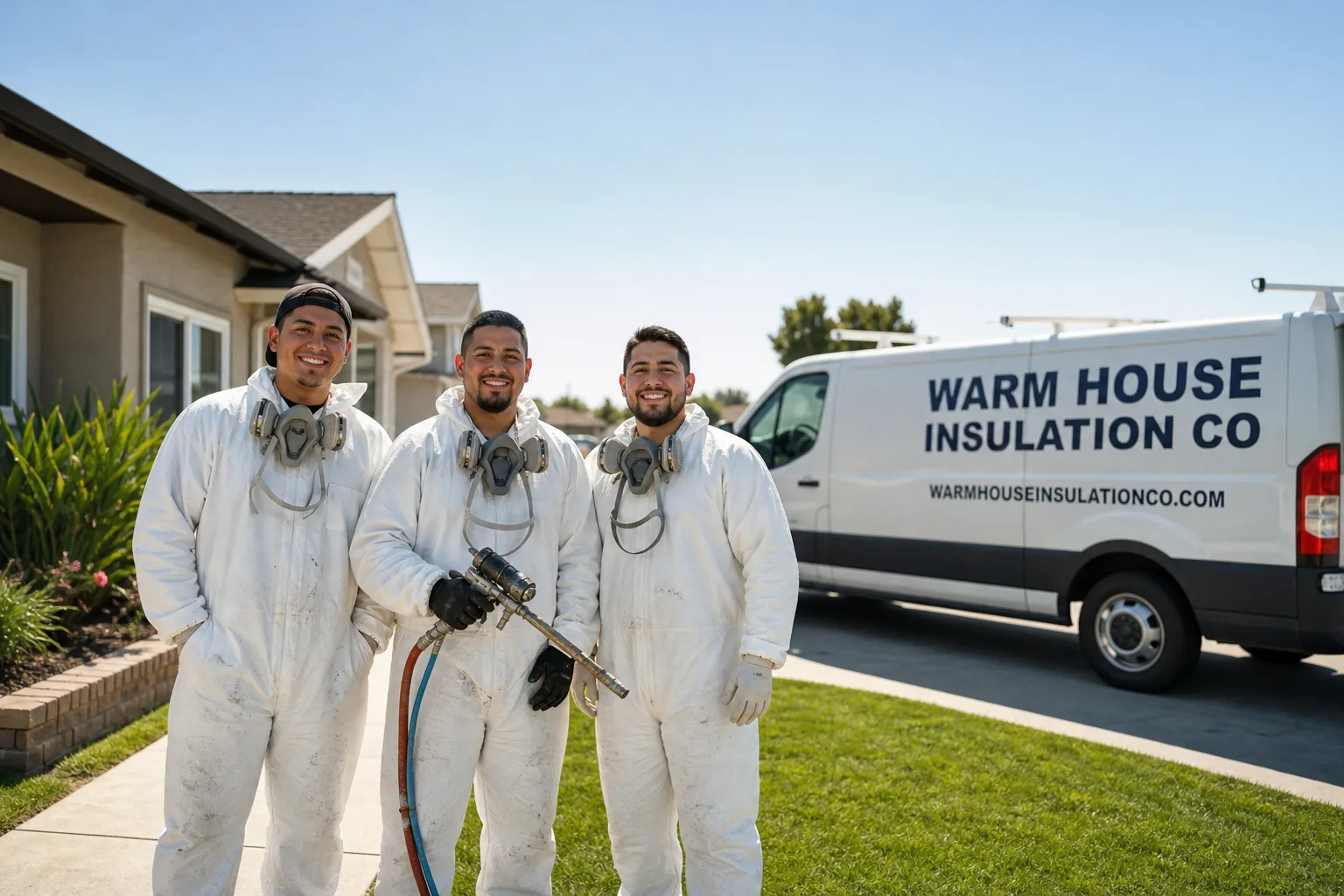
Homeowners in Crestline call us because attics here are trickier than down the hill. Vaulted open-beam ceilings, low-pitch roofs, snow load issues, and WUI compliance all collide in one cavity. Our team led by Ruben Castellano has walked through enough of these cabins to spot problems before the drywall comes down. We don’t guess. We inspect, then specify.
Response time to Crestline is typically same-week, and for homeowners dealing with active ember damage or water intrusion from ice damming, we prioritize emergency calls. You get a real diagnosis, not a sales pitch.
Radiant Barrier in Crestline
Reflectix service in Crestline installs radiant barrier, a reflective foil layer placed under the roof deck that reduces radiant heat gain in summer. For Crestline homeowners, it addresses a specific problem: the sun at 4,600 feet hits roofs hard even when the air temperature feels mild, and that heat soaks through into vaulted open-beam ceilings where there’s minimal cavity depth for conventional insulation. Adding a radiant barrier under the roof sheathing or over existing insulation reflects that heat back out, keeping interior beams and drywall noticeably cooler.
Summer Heat Through Wood Ceilings
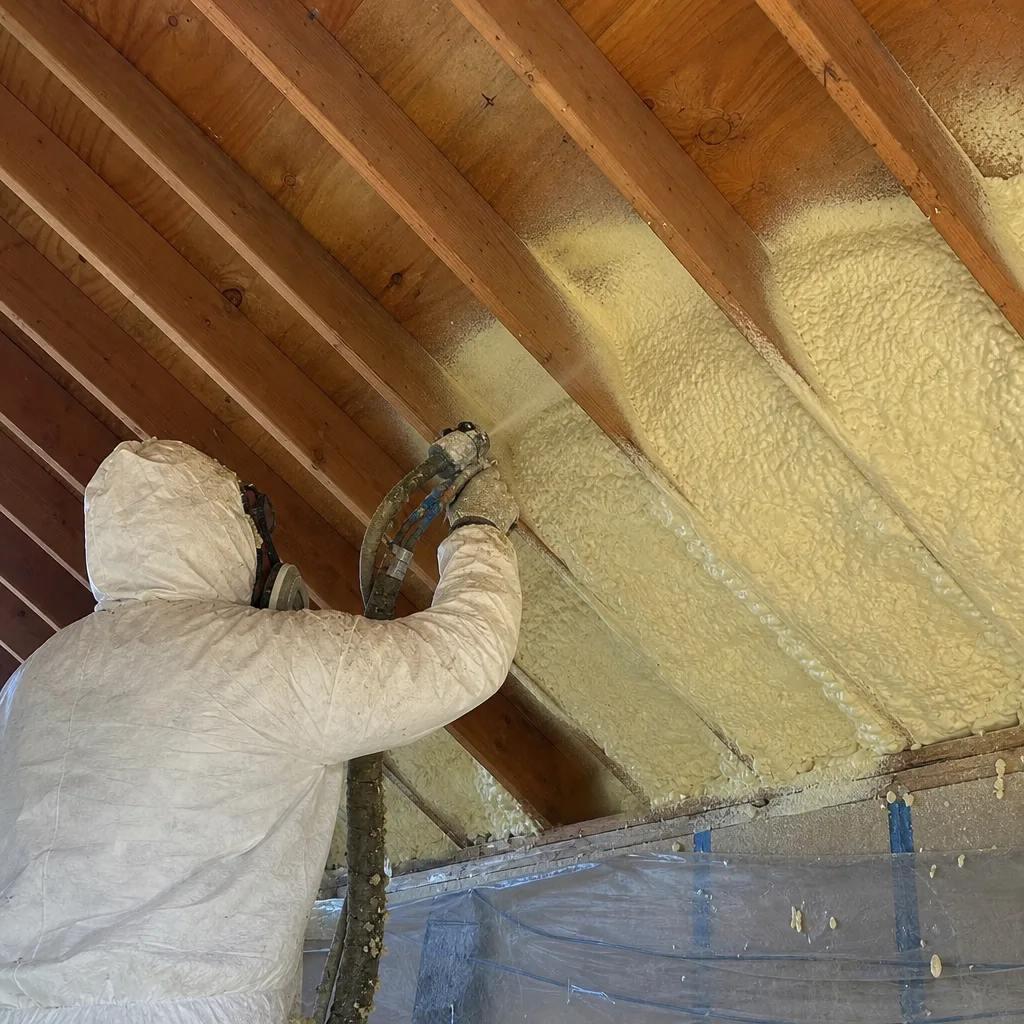
In Crestline, ceilings with exposed timber are common. Radiant heat transfers directly through the deck and beams into the living space, bypassing whatever little insulation sits between. A radiant barrier positioned correctly interrupts that transfer at the source. For homes along the south-facing slopes above the lake, this upgrade alone often drops upstairs temperatures by 10 degrees or more on July afternoons.
Pairing Radiant Barrier With Insulation
A radiant barrier on its own isn’t insulation. It works best alongside other Attic Insulation materials, especially in Crestline where winter performance still demands a real R-value layer. We typically spec a radiant barrier plus blown-in fiberglass or mineral wool in the attic floor cavity for year-round performance. Typical radiant barrier installation in Crestline runs $1,200 to $2,600 for a standard cabin attic, depending on roof geometry and access.
Attic Cleaning Services in Crestline
Attic cleaning services in Crestline usually mean removing old, failed, or contaminated insulation before a retrofit. That could be fiberglass that’s been compressed by decades of snow load, rodent-damaged batts, or vermiculite that may contain asbestos. Given the age of Crestline’s housing stock, almost every serious insulation project starts with thorough removal down to the deck.
Old Vermiculite and What It Means
Vermiculite insulation is common in 1960s and 1970s cabins around Crestline. Much of the vermiculite used in that era came from Libby, Montana, and can contain asbestos. We treat any vermiculite as suspect, follow containment protocols, and coordinate testing before disturbing it. Attic cleaning here isn’t a vacuum-and-go job; it’s a careful material-removal process that protects the rest of your home. Expect to pay $2,500 to $5,000 for a full Crestline attic cleanup on a typical 1,200-square-foot cabin.
Prepping for New Insulation After Cleaning
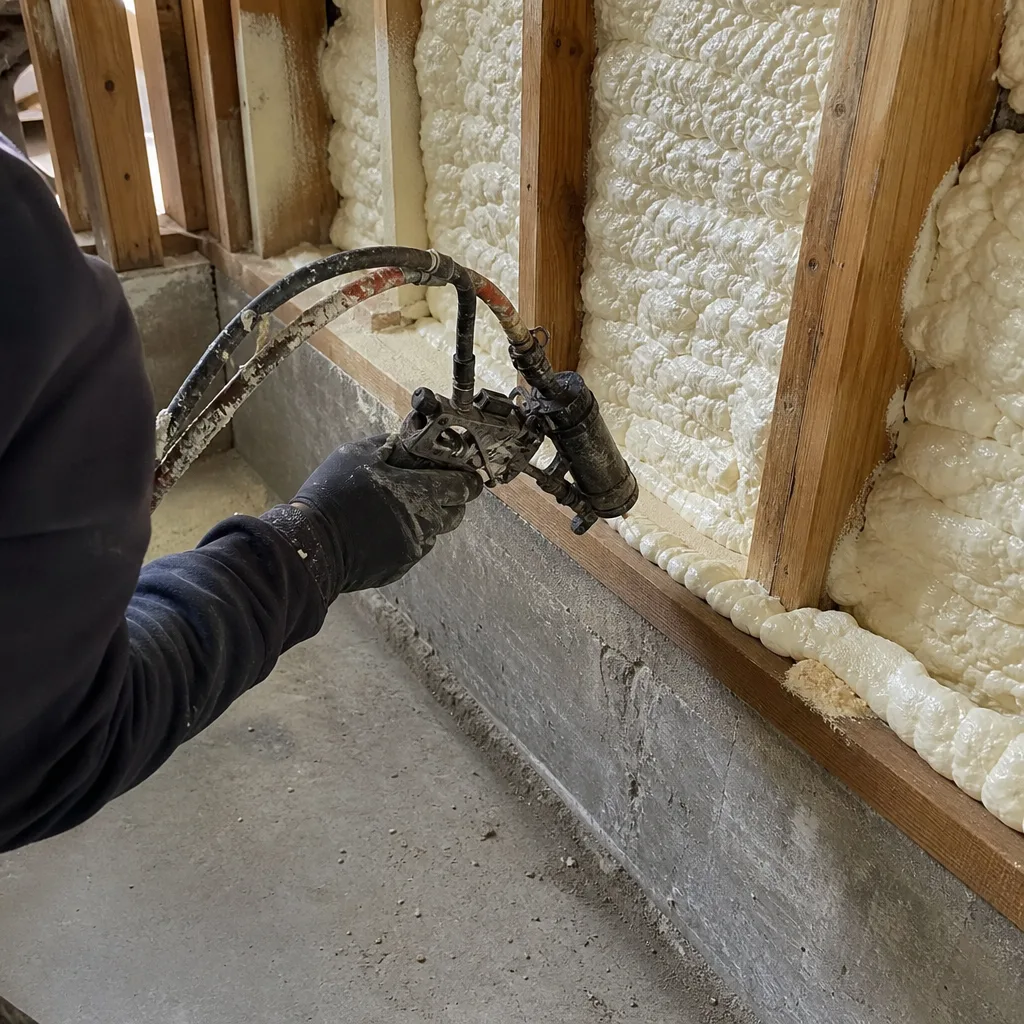
Once the old material is out, we inspect the deck and joists, seal bypasses around chimneys and light fixtures, then install baffles at every soffit vent to keep new insulation off the roof deck. In Crestline, this step also includes checking that existing vents are ember-resistant or scheduling a swap if they aren’t. Skipping the prep means paying twice later.
What happens when you call
- 1
A real person answersNo phone trees — you reach a local pro.
- 2
You get an upfront price rangeHonest numbers before anyone is dispatched.
- 3
A background-checked tech heads outLicensed & insured, dispatched right away.
- 4
You approve before work beginsNothing starts until you say go.
Trusted Brands We Service in Crestline
We install and service insulation from Johns Manville, Knauf, Rockwool, CertainTeed, Icynene, Demilec, Owens Corning, and GreenFiber. That range matters here. A standard fiberglass batt might be right for one Crestline attic, while the cabin next door needs Rockwool’s fire resistance and the place up the street needs dense-pack cellulose. We keep common stock for Crestline jobs and can pull specialty materials within days. You’ll never be told your only option is whatever happens to be in our truck that morning.
Common Attic Insulation Problems We See in Crestline Homes
- Ember intrusion through unprotected vents. Soffit, ridge, and gable vents without ember screens let wind-driven embers into the attic during a wildfire, where they ignite old fiberglass, paper backing, or vermiculite. This is the number-one fire-related failure we see in 1960s-1980s cabins around Crestline.
- Compressed insulation from snow load and ice damming. Low-pitch cabin roofs hold snow, and when meltwater refreezes at the eaves, ice dams form. Water backs up under shingles, saturates insulation, and collapses its R-value while creating thermal bridges through the deck.
- Vermiculite in older homes. Many Crestline cabins still have original vermiculite fill. Beyond the possible asbestos concern, it settles and underperforms. We see homeowners who added batts on top, effectively sealing in a problem that should have been removed first.
- Zero insulation at all. A surprising number of original mountain cabins in 92325 have nothing but exposed roof decking over the ceiling. The joist bays were never filled. These homes are the most expensive to heat and the first to develop ice dams.
Pricing for Attic Insulation in Crestline, CA
Attic insulation in Crestline runs higher than down the hill for a few reasons: remote access, WUI code complexity, and the frequency of removal work before new material goes in. Expect the following ranges as of 2026:
| Service | Typical Crestline Range |
|---|---|
| Attic insulation top-up (blown-in fiberglass) | $1,400 – $2,800 |
| Full attic insulation replacement (remove + install) | $2,500 – $5,500 |
| Radiant barrier installation | $1,200 – $2,600 |
| Attic cleaning (including vermiculite removal) | $2,500 – $5,000 |
| Baffles and ventilation prep | $400 – $900 |
What moves the number: attic square footage, whether old material requires asbestos testing or containment, roof pitch and access, and whether ember-resistant vent replacement is needed. Call (866) 361-3775 and Ruben Castellano can give you an exact quote after a quick attic inspection. Estimates are free.
We Also Serve Cities Near Crestline
Warm House Insulation Co works throughout the San Bernardino Mountains and surrounding foothill communities. If you’re in Crestline, Lake Arrowhead, Muscoy, San Bernardino, or Highland, our crews are already familiar with your local building patterns and fire codes. We schedule routes up and down the 138 and 18 corridors every week, so you won’t wait long for service.
Serving Crestline, CA — Our Local Coverage Area
We’re based in the Crestline area and know this community well. Use the map below to see our service coverage — if you’re nearby, we can almost certainly help.
FAQs About Attic Insulation in Crestline
Spray foam is permitted in Crestline attics only when the assembly meets WUI ignition-resistance requirements, meaning it must be covered by a thermal barrier or paired with fire-resistant materials. In many cases, the local fire discipline pushes us toward Rockwool mineral wool or fiberglass instead because those materials don’t require the same layering. Call (866) 361-3775 and we’ll tell you honestly which direction your specific roof assembly allows.
Treat it as presumed asbestos-containing material and don’t disturb it yourself. We recommend testing through a certified lab before any removal. If removal is needed, we follow containment procedures and coordinate with a licensed abatement specialist when required. The cost is higher than standard insulation removal, but the alternative is a health risk and likely a code violation if it’s discovered during sale.
Proper attic insulation and ventilation are your primary defenses. Warm air from the living space heats the roof deck, snow melts at the top, and water refreezes at the cold eaves. The fix is preventing that heat from reaching the deck in the first place: air seal the attic floor, then add enough insulation to keep the deck cold, and ensure soffit-to-ridge airflow through baffles. On the 1970s cabin near Lake Gregory where we cleared old vermiculite and installed Owens Corning fiberglass batts with a fire-resistant facing, the ice dams stopped forming the same winter.
Yes, in most cases. Crestline sits in a high-fire-severity zone, and building codes now require attic vents that resist ember intrusion. When we install new insulation, we inspect every existing vent and flag any that don’t meet the current standard. Ember-resistant vent replacement is often a required part of passing final inspection or satisfying your insurer.
For open-beam ceilings, rigid mineral wool board or closed-cell spray foam with a fire-rated covering works best, because both provide insulation without filling the visual space between beams with fluff. Rockwool is our most common recommendation here due to fire resistance and code acceptance. But the right answer depends on your roof assembly and whether you’re keeping the beams exposed. Give us a call at (866) 361-3775 and we’ll inspect yours.
Written by Ruben Castellano, Owner at Warm House Insulation Co, serving Crestline and the San Bernardino Mountains.