Fast, Reliable Attic Insulation Across March Air Force Base
Attic insulation in March Air Force Base is the single most effective upgrade for cutting summer cooling bills in this part of Riverside County. We work throughout the 92551 ZIP code, and we know exactly what these attics throw at you: 150-degree heat in July, compressed fiberglass from the Nixon era, and ductwork that’s been baking for forty years. Our crew responds to March Air Force Base calls fast, usually same week, and we bring eight manufacturer lines so the material matches the home instead of the truck. Call (866) 361-3775 for a free attic assessment and get a straight answer on what your insulation is doing, or not doing.
Why Warm House Insulation Co Is March Air Force Base’s Preferred Attic Insulation Company
Warm House Insulation Co has built its standing in March Air Force Base by doing the jobs other contractors decline. Retrofitting a 1960s base-era house with original insulation is not a quick in-and-out. It means removing compressed batts, checking for degraded materials, air-sealing the attic floor, and then installing a system that survives 150°F summers without losing R-value. Our clients around the March ARB gate and the surrounding military housing communities keep calling us back because we diagnose before we recommend, and we carry options most local contractors don’t stock.
Ruben Castellano, who leads our company, has spent years working in inland Southern California attics. He knows what happens to R-19 fiberglass after thirty summers of 100-degree days: it does not perform like R-19 anymore. That is the difference between reading a spec sheet and standing in an actual March Air Force Base attic at 2 p.m. in August. We measure, we inspect, and we tell you the truth about what needs to change.
We are licensed and insured, and every estimate is free. If your attic has been ignored since you bought the house, start with a call. We’ll walk you through what we find and what it costs before any work begins.
Radiant Barrier in March Air Force Base
Radiant barrier in March Air Force Base is not optional for homes with exposed roof decking and no shade. A radiant barrier is a reflective material installed under the roofline that bounces radiant heat away from the attic floor, keeping the space below hotter than outside but much cooler than it would be otherwise—similar to Reflectix repair in March Air Force Base. In March Air Force Base attics that regularly reach 150°F, a radiant barrier can lower attic temperature by 20 to 30 degrees. That directly reduces the load on your HVAC system and extends the life of ductwork that has already been cooking for decades. For a typical 1,500 – 2,000 square foot home here, installing a radiant barrier in the attic runs $1,800 – $3,200 depending on access, roof pitch, and whether we combine it with insulation replacement.
When a Radiant Barrier Makes Sense
If your attic floor insulation is adequate but the house still gets hot by mid-afternoon, the heat is coming from above. Radiant barrier stops that heat before it reaches the living space. We tell homeowners to think of it as shade for your attic.
Radiant Barrier and Seasonal Homes
For March Air Force Base residents who leave for months at a time, a radiant barrier works even when nobody is home. It reduces peak attic temperature year-round, so your A/C does not fight a 150-degree attic the moment you turn it back on. Your furnace works less in winter too.
Attic Cleaning Services in March Air Force Base
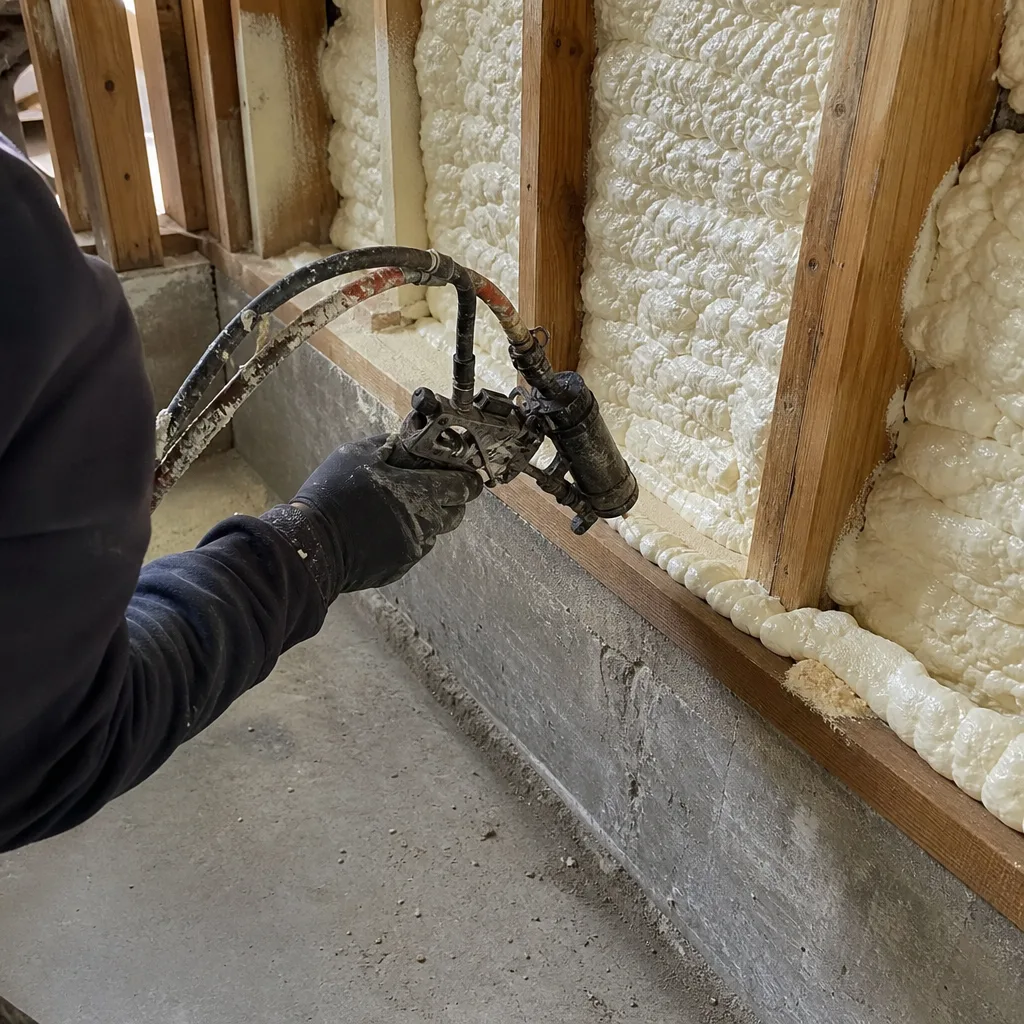
Attic cleaning services in March Air Force Base are the first step before any insulation retrofit, and we do the work ourselves. Years of wind, dust, and rodent activity leave attics full of debris that compresses insulation, restricts airflow, and creates a fire hazard. In older March Air Force Base homes, the attic may also contain degraded insulation from the 1950s through 1980s that needs to be removed and disposed of safely before new material goes in. A full attic cleanout and sanitation for a typical home here runs $800 – $1,600 depending on attic size, depth of debris, and whether old insulation needs removal.
Why Cleaning Comes First
New insulation installed over old, compressed, rodent-soiled material is a waste of money. Cleaning the attic lets us inspect the ceiling joists, find air leaks, and verify your ductwork condition before anything gets covered up. We remove everything, sanitize, and then build the insulation system up from a clean deck.
Cleaning for Seasonal Homeowners
If your March Air Force Base home sits empty for months, a clean attic is a protected attic. Rodents and birds move into vacant houses. We clean, identify entry points, and make sure your insulation is not being used as nesting material while you are gone.
What happens when you call
- 1
A real person answersNo phone trees — you reach a local pro.
- 2
You get an upfront price rangeHonest numbers before anyone is dispatched.
- 3
A background-checked tech heads outLicensed & insured, dispatched right away.
- 4
You approve before work beginsNothing starts until you say go.
Trusted Brands We Service in March Air Force Base
We are authorized to install products from eight manufacturers, including Owens Corning, Johns Manville, Knauf, Rockwool, CertainTeed, Icynene, Demilec, and GreenFiber. Most March Air Force Base insulation contractors carry one or two fiberglass lines. We carry material for every application: Rockwool mineral wool for fire resistance and sound control, Icynene open-cell spray foam for air sealing, GreenFiber recycled cellulose for homeowners who want high recycled content. When we recommend a material for your attic, it is because it fits your house, not because it is the only thing on our shelf. Our Attic Insulation team stocks local materials for fast turnaround across the 92551 ZIP code.
Common Attic Insulation Problems We See in March Air Force Base Homes
- Compressed fiberglass batts in 1950s – 1980s base housing. Decades of 150°F attic heat degrades fiberglass and compacts it under its own weight. Many homes we inspect that were insulated to R-19 are actually performing at R-7 or less. That means the insulation is doing a fraction of its original job.
- Ductwork failing from extreme attic heat gain. Flexible ducts in March Air Force Base attics baked for thirty or forty years crack, leak, and separate at the seams. Cooled air escapes into the attic while you pay to chill the space above your ceiling. Replacing insulation without checking ducts leaves the biggest leak unsealed.
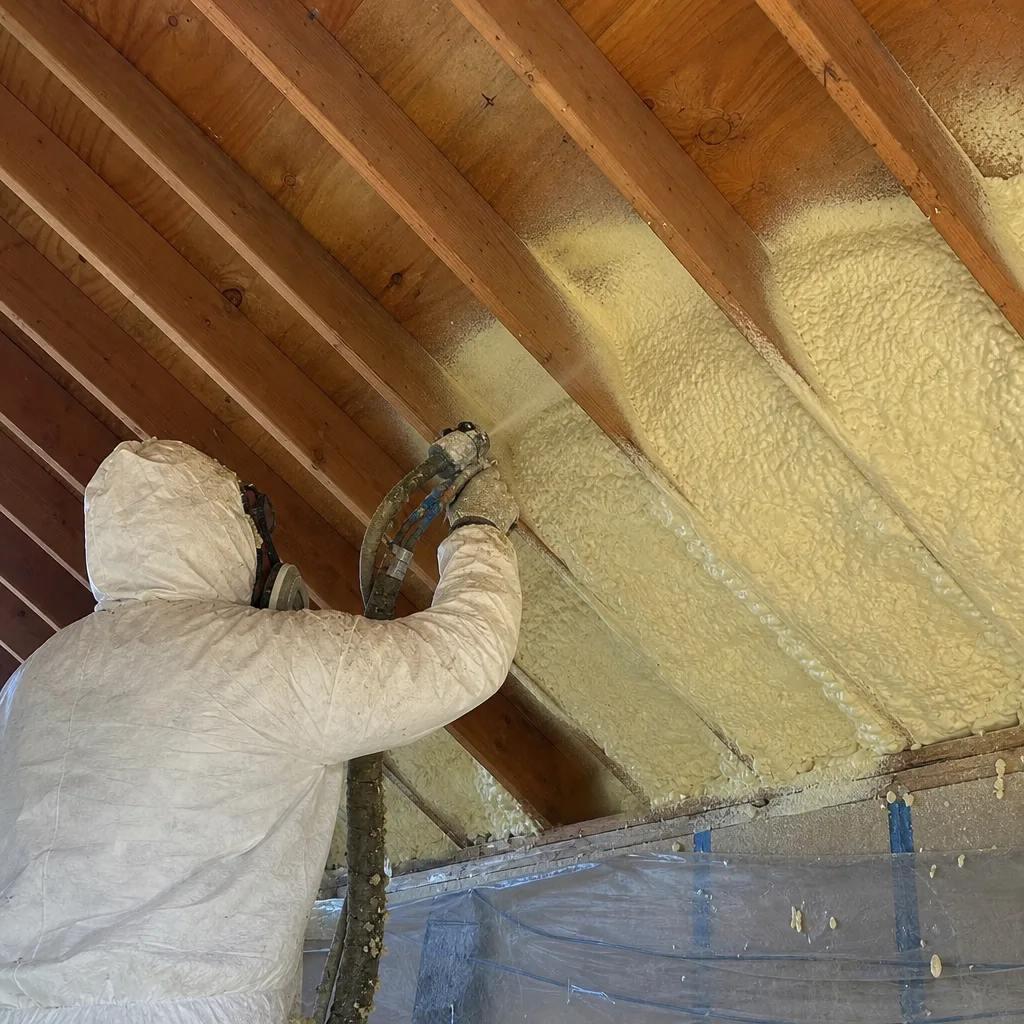
- Original base-era insulation that is degraded or unsafe. Some older military housing attics contain materials that require careful, professional removal before new insulation can go in. This is not a DIY job. We handle the full sequence: removal, disposal, air sealing, and installation of new Rockwool or Icynene insulation where appropriate.
- Uneven insulation coverage and bare spots. We regularly find attics where insulation was blown in unevenly, leaving entire corners without coverage. Thermal imaging during our assessment shows exactly where the gaps are. In March Air Force Base’s hot inland climate, a bare patch of attic floor means a hot ceiling below it.
Pricing for Attic Insulation in March Air Force Base, CA
Here is what we actually see in March Air Force Base homes. Attic insulation top-ups, where we add blown-in insulation over existing material to reach current R-value standards, run $1,200 – $2,000 for a typical 1,200 – 1,800 square foot home. A full attic insulation replacement, including removal of old material, air sealing, and new blown-in or batt insulation, runs $2,800 – $5,500 depending on attic access, depth, and whether a radiant barrier is included. Attic cleaning alone runs $800 – $1,600. Radiant barrier installation runs $1,800 – $3,200. Every estimate is free, and we’ll give you a written figure before any work starts. Call (866) 361-3775 to schedule an assessment.
We Also Serve Cities Near March Air Force Base
Beyond March Air Force Base, our crews cover Attic Insulation in March Air Force Base and the surrounding communities: Moreno Valley, Woodcrest, Perris, and Good Hope. If you’re anywhere in the inland Riverside corridor and your attic is under-insulated, we’ll come take a look.
Serving March Air Force Base, CA — Our Local Coverage Area
We’re based in the March Air Force Base area and know this community well. Use the map below to see our service coverage — if you’re nearby, we can almost certainly help.
FAQs About Attic Insulation in March Air Force Base
Attic temperatures in March Air Force Base regularly exceed 150°F in the summer, which causes standard fiberglass insulation to lose R-value over time and accelerates the breakdown of the binder in old batts. Heat also transfers through the roof deck and radiates into the living space, so under-insulated attics here mean A/C systems that run constantly and cooling bills that spike by $100 or more per month in peak season. We recommend higher R-values and radiant barriers specifically because of this heat load. Call (866) 361-3775 and we’ll check what your attic is actually holding.
For a 1960s base-era home, the right upgrade usually starts with removing the old compressed batts, air-sealing the attic floor, and installing new R-38 fiberglass or blown-in insulation. We often add a radiant barrier at the roof deck to cut attic temperature by 20 to 30 degrees. If fire resistance or sound control matters, we recommend Rockwool mineral wool instead of standard fiberglass. Every house gets a specific recommendation, not a default product.
Proper attic insulation and a radiant barrier reduce the peak temperature in your attic even when the house is empty, which protects ductwork, wiring, and stored items from heat degradation. It also means your HVAC system does not have to recover from 150-degree attic heat when you return. We add attic cleaning to the scope for seasonal residents to prevent rodent nesting and insulation damage while the house sits vacant.
The clearest signs are uneven room temperatures, cooling bills that keep climbing without explanation, and an attic where the insulation looks flattened, dusty, or uneven. If you can see the ceiling joists in spots, that is bare coverage. In March Air Force Base’s climate, compressed or missing insulation means your A/C works harder every single summer afternoon. We provide a free attic assessment and a written scope of work.
Yes. We remove old insulation, debris, rodent nesting, and other contaminants, sanitize the attic, and prepare the space for new insulation. Attic cleaning runs $800 – $1,600 for most March Air Force Base homes, and we recommend it before any retrofit. Call (866) 361-3775 for a free estimate.
Contact Warm House Insulation Co for Attic Insulation in March Air Force Base
If your March Air Force Base attic is under-insulated, dirty, or baked by years of inland heat, we will tell you exactly what is going on and what it costs to fix. Ruben Castellano and the team at Warm House Insulation Co have worked in these attics. We know the housing stock, the heat, and the right materials for both. Call (866) 361-3775 for a free estimate, schedule an attic assessment, and get a written quote with no obligation. You’ll know what you’re paying before we start.
Written by Ruben Castellano, Owner at Warm House Insulation Co, serving March Air Force Base and surrounding Riverside County communities.