Emergency Attic Insulation Near Me: What Stanton Homeowners Should Do First
If you’re searching “emergency attic insulation near me” in Stanton, the first thing to understand is this: most insulation “emergencies” are not same-day emergencies. What they are is urgent enough to address within 48 to 72 hours, and the correct first step is almost never “rip it all out.” It’s assessing what actually failed. The wrong first move costs Stanton homeowners thousands in unnecessary replacements. If you’d rather skip the guesswork, call us at (866) 361-3775 and we’ll walk you through what you’re looking at, free.
Why Most Attic Insulation Emergencies in Stanton Aren’t Actually Emergencies
Here’s the thing we tell every Stanton homeowner who calls us at 9pm in a panic: attic insulation almost never fails suddenly on its own. Fiberglass, mineral wool, spray foam, and cellulose don’t spontaneously decompose. When your attic suddenly feels wrong, something else happened. A roof leak, a condensation event, a rodent colony, or an HVAC failure. The insulation is the victim, not the cause.
That matters because the fix is different depending on what happened. If you replace wet insulation before fixing the leak that soaked it, you’ll be back here in 18 months. We’ve seen it happen more times than we can count, including one house over near Stanton Park where the homeowner paid for a full attic re-insulation in March and called us the following January with the same problem. The roofer had never been called. Nobody checked the flashing.
To put it directly: the worst thing you can do after a rainstorm damages your attic insulation is schedule replacement before confirming the water source is actually fixed. A contractor who doesn’t ask about the leak source is setting you up for a second job.
The Three Most Common Attic “Emergencies” in Stanton, and How to Triage Each One
We’ve broken down the calls we get in Stanton into three buckets. Each has a different correct first move.
1. Storm Damage: Wet Insulation After Rain
This is the most common emergency call we get during Stanton’s winter rain season. Water gets in through damaged shingles, bad flashing, or a clogged gutter. You see a water spot on the ceiling. You climb up and find damp insulation.
Your triage:
- Stop the water first. Call a roofer. Not us. Not yet. If water is actively entering, every hour of delay soaks more insulation.
- Document everything. Photos of the wet areas, the ceiling stain, the outside roof area. Your insurance company will ask for these.
- Assess the extent. Is it a small damp patch (2 – 3 square feet) or a soaked section (a whole bay, multiple bays)?
- Wait 48 hours. If the water source is fixed and the insulation dries without sagging or compacting, you may not need to replace it at all. Wet fiberglass and cellulose can sometimes dry in place, especially in Stanton’s warm, low-humidity conditions.
The 48-hour drying window is real. We tell homeowners this because most restoration companies won’t. Insulation that stays damp longer than two days promotes mold and loses structural loft. Fiberglass batts that dry flat and crusty have lost their R-value. Spray foam generally handles water well. Cellulose compacts and stays damp longer. Mineral wool, like Rockwool, drains well and resists moisture. The material matters.
2. HVAC Suddenly Running Constantly: “My Attic Is Broke”
A sudden spike in indoor temperature usually isn’t an insulation failure. Insulation degrades slowly over years. A sudden change means your attic ventilation failed, or your HVAC is struggling, or you have an air-sealing problem that’s finally caught up with you.
Your triage:
- Check the attic temperature. On a Stanton summer day, a poorly ventilated attic can hit 140°F. That heat radiates down into your living space no matter how much insulation you have.
- Look for baffles blocking airflow. We see this constantly: a previous insulation job covered the soffit vents with blown-in fiberglass. The attic stopped breathing. The house got hot.
- Check for gaps around your attic hatch, can lights, and ducting. A small air leak moves more heat than a missing section of insulation. Sealing these penetrations is often the real fix.
This scenario usually needs a scheduled inspection, not an emergency call. Your insulation may be fine, and the problem may be ventilation or air sealing. A contractor who immediately quotes you a full attic re-insulation without checking ventilation is selling you something you may not need.
3. Rodent Intrusion: Visible Damage, Droppings, Chewed Wires
This one is a genuine health and safety issue, and it’s the one scenario where same-day action may be warranted. Rodents nest in insulation, urinate and defecate throughout it, and chew through vapor barriers and electrical lines. We’ve pulled chewed fiberglass out of an attic over in the Stanton Village area where a rat colony had been living for, judging by the volume of droppings, the better part of a year. The homeowner had been noticing a smell for months.
Your triage:
- Call pest control first. Removing and replacing insulation without eliminating the rodent population is a waste of money. They’ll come right back into your fresh cellulose.
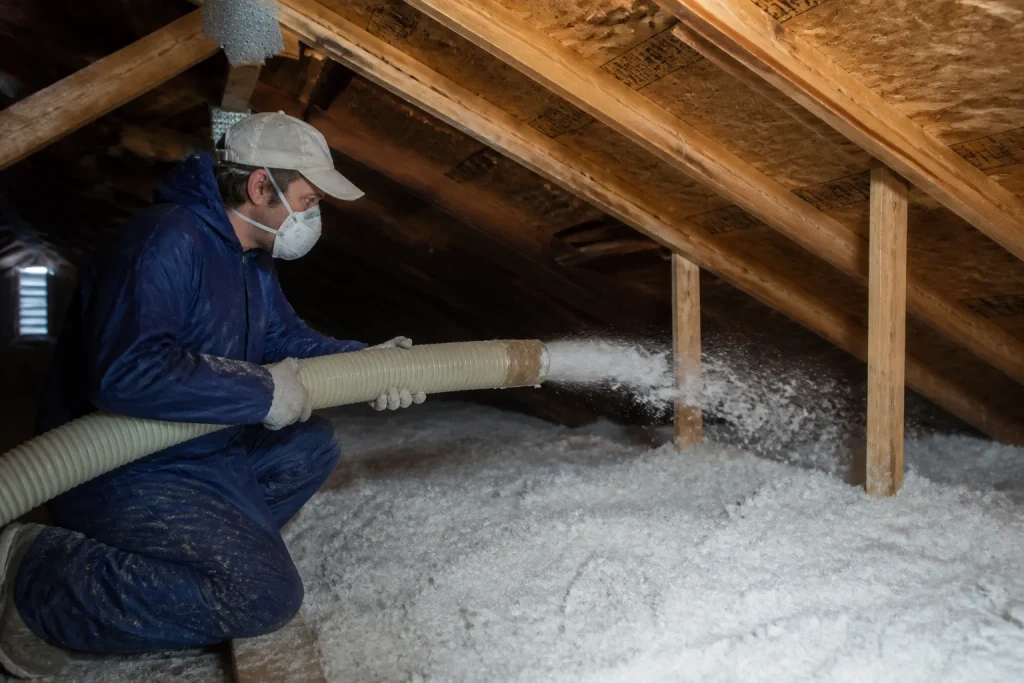
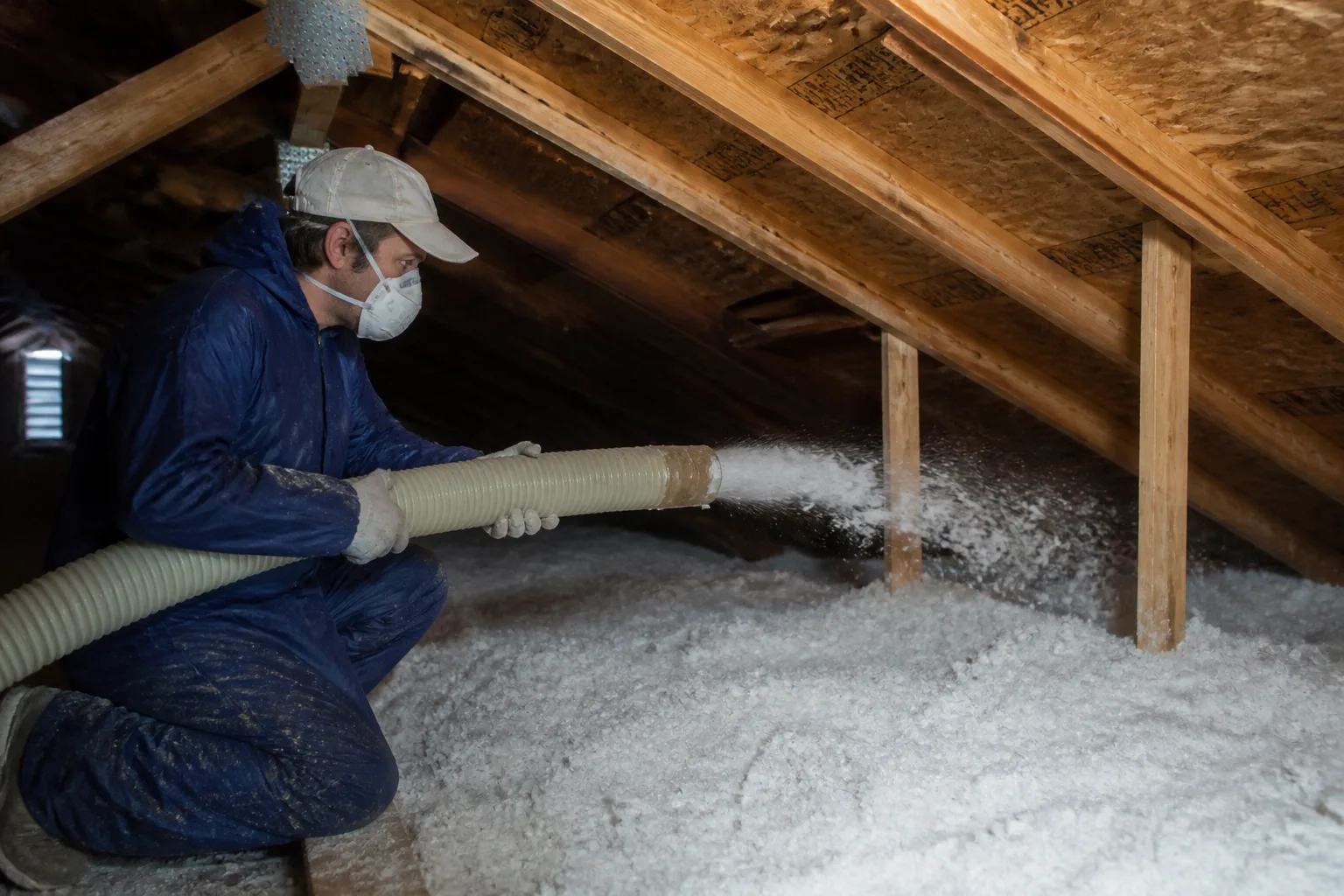
- Isolate the area. Don’t go moving contaminated insulation around yourself. Hantavirus and other rodent-borne illnesses are real risks. We wear respirators and protective gear for this work.
- Get a material recommendation. Fiberglass and cellulose are more attractive to rodents than mineral wool. Rockwool’s density and composition make it less hospitable. For a Stanton home with a recurring rodent issue, we often recommend Rockwool specifically.
This scenario can justify same-day removal if the contamination is severe. But even here, sequence matters: pest control first, then insulation removal, then new material.
The Documentation Checklist: Do This Before Any Contractor Arrives
This is the step Stanton homeowners skip. It’s also the step that protects you from overpaying and helps you with insurance claims.
Before you call anyone, complete this list:
- Photograph everything. Wide shots of the attic showing the overall condition. Close-ups of the damaged or wet areas. Shots of the ceiling from below. Shots of the roof from outside if you can safely see damage. Your phone camera is fine.
- Note the date and time on your photos. If your camera doesn’t timestamp automatically, take a picture of a newspaper or a weather app showing the date. This is an insurance claims basic.
- Record your last 3 – 6 months of utility bills. If your HVAC failure prompted this search, having your baseline energy use before the problem started gives a contractor useful data. It also helps you later verify whether a fix actually worked.
- Take humidity readings. A $15 hygrometer from a hardware store is enough. Record the reading in your attic and in your living space. If your attic is above 60% humidity in Stanton’s already-arid climate, you’ve got a moisture source that needs finding.
- Write down what you observed and when. “Tuesday morning, noticed water stain on hallway ceiling. Attic damp above that spot. Rain Monday night.” This timeline helps diagnose and helps your claim.
Doing this before contractors arrive means every quote you get is based on the same information. You’ll also catch the difference between a contractor who asks about your documentation and one who ignores it entirely. The one who ignores it is guessing.
How to Tell Whether a Contractor Is Solving Your Emergency or Upselling You
The insulation industry, like every trade, has contractors who upsell. When you’re stressed about a water-stained ceiling or a sweltering upstairs, you’re vulnerable to paying for work you don’t need.
Here’s what a full attic replacement pitch usually sounds like: “Wet insulation with fiberglass? Oh yeah, you’ve got to replace all of it. We’ll get you in there today, whole new attic, you’ll be looking at about $6,000.” Here’s what a diagnostic-first contractor sounds like: “Let’s see how much is actually wet. If it’s contained and your roofer fixed the leak, we might be able to address just this section. Let’s check the moisture level.”
We’re that second contractor. We carry eight production lines, including Owens Corning, Johns Manville, Knauf, Rockwool, Icynene, Demilec, CertainTeed, and GreenFiber. The reason that matters is simple: we’re never stuck needing to sell you the one product we stock. If your situation calls for a surgical section replacement with Rockwool, that’s what we recommend. If it calls for spray foam to seal a troublesome kneewall in a Stanton bungalow, we spec Icynene. If you’re replacing everything and want recycled content, GreenFiber cellulose is an option most contractors can’t even offer. The material is driven by your home’s needs, not our inventory.
Ask any contractor you’re considering these three questions: “What exactly needs to be replaced and why?” “What happens if we wait two weeks?” “What’s the cheapest correct fix, ignoring the most convenient one for your company?” Watch how they answer. A real diagnostician will explain. An upseller will dodge.
Stanton-Specific Resources: Who to Call First, and Why Sequence Matters
Different damage types call for different first responders. Getting the sequence wrong costs money.
- Active water intrusion (rain getting in right now): Roofer first. Not us. Not a restoration company. Stop the water at the source. A good local roofer who works in Stanton knows our climate and our older housing stock. Once the leak is fixed, call us at (866) 361-3775 to assess the insulation.
- Active water intrusion plus ceiling damage plus soaked insulation spread across a large area: Restoration company first. They’ll handle mitigation. Ask them to document the insulation condition extensively. Then call us for the re-insulation. You don’t want a restoration company’s generalists installing your new attic insulation. We’ve fixed work done by restoration crews that was mediocre at best.
- Damp insulation from a leak that’s already been fixed, no active water: Us, and maybe only us. If you’re within the 48-hour drying window, we can assess whether drying in place is viable. If you’re past it, we’ll show you what section needs to go. Many times it’s not the whole attic.
- Rodent contamination: Pest control first. Then us for removal and replacement. If you call us first, we’ll tell you this anyway. We’re not in the pest business, and no legitimate insulation contractor should be.
- Sudden HVAC strain without any visible damage: Call us for a scheduled inspection. We’ll check insulation depth, ventilation, and air sealing. If it’s not insulation, we’ll tell you that and you can take the right next step with an HVAC tech. We don’t install HVAC, and we won’t pretend to.
Stanton’s climate matters here. Our dry summers are kind to insulation that’s been wetted briefly: things actually dry out. Our winter rain events, especially the occasional heavy one that hits older homes with original flashing, are when we see the real damage. Homes along Cerritos Avenue and in older sections of Stanton have original roof penetrations that fail only under sustained rain. If you’re in an older Stanton home and you haven’t had your attic checked in a decade, this winter’s first heavy rain is not the time to discover the leak.
The Bottom Line
The correct first move in almost every attic insulation emergency in Stanton is not “rip it out.” It’s “stop the source, document everything, assess the extent, then act.” Wet insulation often dries if you catch it within 48 hours. Sudden HVAC failure usually isn’t insulation failure. Rodent intrusion is the one scenario that truly justifies fast removal, and even then, pest control comes first. Skipping these steps leads to replacing insulation that didn’t need replacing, and to redoing work within 18 months.
If you’re in Stanton and you’re not sure what you’re looking at, we’ll help. Warm House Insulation Co offers free estimates and we’ll tell you honestly whether you need insulation work or a roofer. Call us at (866) 361-3775. And if you’d like to learn more about your options before a problem hits, read up on our Attic Insulation in Stanton page, or see what Spray Foam Insulation in Stanton and Blown In Insulation in Stanton can do for a home that needs more than a patch job.
Frequently Asked Questions
For a section replacement after a leak, Stanton homeowners typically pay between $300 and $900 depending on the material and square footage. Full attic re-insulation for an average Stanton home runs $3,500 to $7,000 depending on material choice (fiberglass, cellulose, mineral wool, or spray foam). It’s cheaper to repair a section than replace the whole attic, which is exactly why we tell people not to let a contractor talk them into a full replacement before the extent is known. Call (866) 361-3775 for an exact quote, estimates are free.
Sometimes it can be saved. If the insulation was wet for less than 48 hours, the water source is fixed, and the material hasn’t compacted or sagged, fiberglass and mineral wool can often dry in place with proper ventilation, especially during Stanton’s dry season. Cellulose tends to compact and hold moisture, so it’s less likely to recover. Spray foam generally handles water well. If it’s been wet longer than 48 hours or is growing anything, replace it. We assess this for free. Call (866) 361-3775 if you’re not sure.
For rodent contamination or active water intrusion into your insulation, we make same-day and next-day appointments available for Stanton homeowners when possible. Most other scenarios are safely handled with an inspection within 48 hours, which is well within the window where damage is still reversible. If you’re not sure which category you’re in, call (866) 361-3775 and we’ll help you triage over the phone, no charge.
There’s no single right answer, and any contractor who says otherwise is selling you their inventory, not your solution. Fiberglass is cost-effective and common. Cellulose (like GreenFiber) offers high recycled content and good air-blocking performance. Spray foam (Icynene or Demilec) excels at air sealing and is the right call for problematic areas like kneewalls or band joists. Mineral wool (Rockwool) offers fire resistance and sound dampening and is our frequent recommendation for rodent-prone Stanton attics. The right material depends on your home’s specific situation, and we carry all of these, which means we’ll tell you the real answer instead of the convenient one. Our Warm House Insulation Co home page has more on how we work.
Written by the team at Warm House Insulation Co, serving Stanton since 2011.
Need Insulation Help?
Call Warm House Insulation Co — licensed & insured, here with fast after-hours help in Norco.
(866) 361-3775