Fast, Reliable Attic Insulation Across El Segundo
Attic insulation in El Segundo isn’t a one-size-fits-all job, and most of the attics we open here prove it within minutes. Homes in the 90245 sit tight against the Pacific, and the marine layer moves through attics in ways inland cities never experience. That coastal damp is why we routinely find batts that look fine from the hatch but are collapsed, wicking moisture, and doing almost nothing for the home’s thermal envelope. Warm House Insulation Co has worked these attics for years, and we stock the materials El Segundo’s older housing stock actually needs. If your energy bills climb while the fog rolls in, call (866) 361-3775 and we’ll diagnose what’s really happening up there.
Why Warm House Insulation Co Is El Segundo’s Preferred Attic Insulation Company
El Segundo homeowners call us because we understand what a 1950s ranch off Main Street shares with a newer infill townhome near the Metro station, and what they don’t. We’ve pulled damp, half-collapsed fiberglass out of attics a block from the Chevron refinery and out of quiet cul-de-sacs near Recreation Park. Same failure mode: marine-layer condensation cycling through the attic floor. Our crews know the difference between a roof leak and dew-point damp on the sheathing, and that’s the diagnosis that determines whether you need a top-off, a full replacement, or mold remediation first.
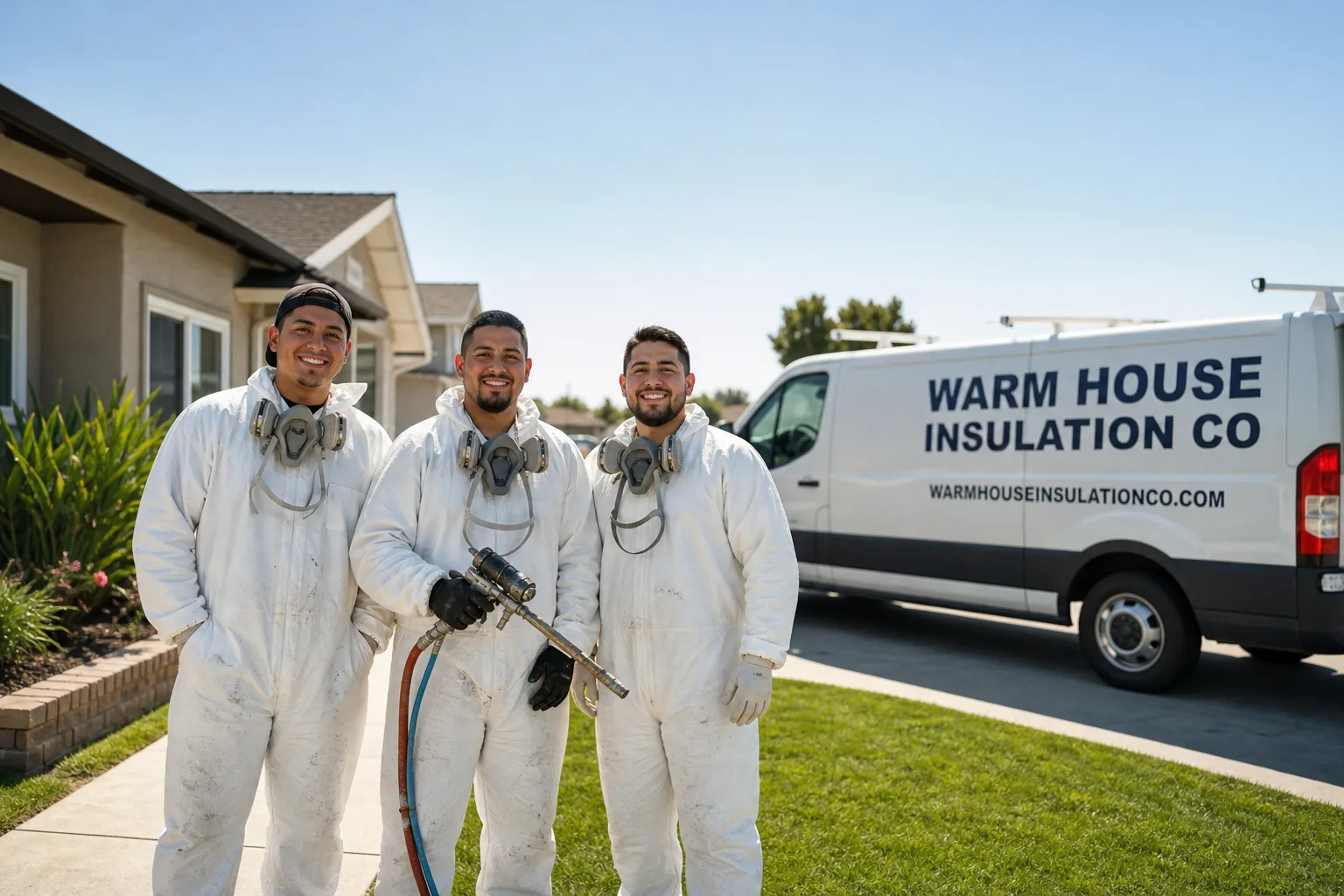
Response time to El Segundo is same-day or next-day for most calls, and we schedule around the coastal morning damp, not against it. Ruben Castellano leads the crews, and he’s been in enough El Segundo attics to know what 1940s through 1960s construction left behind. Reviews from El Segundo customers consistently mention the diagnosis-first approach: we don’t quote a price until we’ve looked at the actual condition of your batts, your vapor barrier, and your ventilation. That matters here.
Attic Cleaning Services in El Segundo
Attic cleaning services in El Segundo usually start with vacuuming out decades of dust, rodent debris, and broken-down insulation fibers that have settled into the floor joists. Coastal homes collect more than dust, though. The marine layer carries fine salt and moisture that bind attic dust into a dense mat, and in El Segundo we often find that mat is holding damp against the ceiling drywall below. A typical attic cleaning in El Segundo runs $450 – $900 depending on attic size and how much debris needs to be pulled out. If the existing insulation is damp or compromised, cleaning happens first so the new material has a clean, dry surface.
Debris and Old Insulation Removal
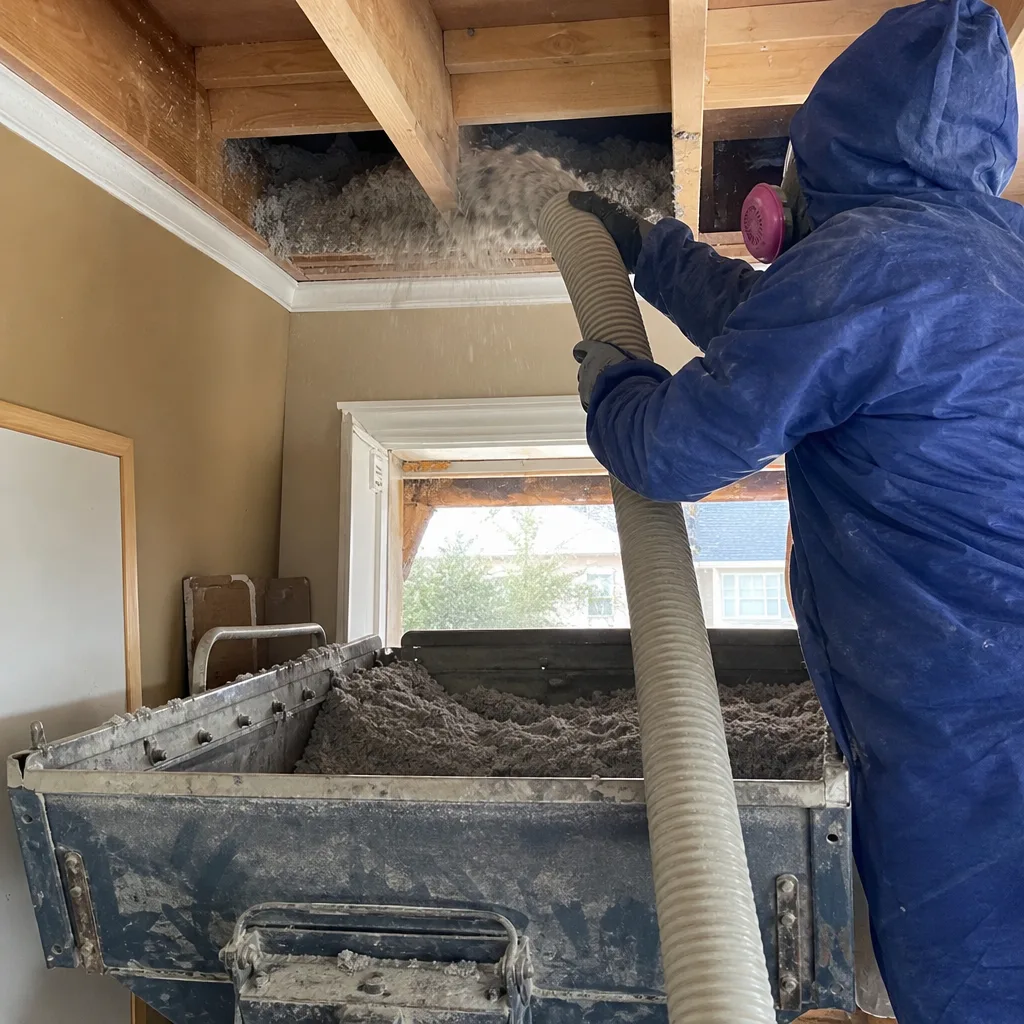
Older El Segundo homes often have original insulation that’s been walked on by electricians, cable installers, and handymen for 60 years. It’s compacted, dirty, and sometimes mixed with roof debris from old shake-over-shingle reroofs. We bag everything and remove it from the property, then inspect the bare attic floor for air-sealing gaps before anything new goes in.
Air-Sealing the Attic Floor
Before we blow new insulation, top plates, plumbing penetrations, and electrical chases need sealing. In El Segundo’s marine-layer climate, unsealed penetrations don’t just leak air, they feed the damp cycle that ruins insulation. This step is part of every cleanup we do here.
What happens when you call
- 1
A real person answersNo phone trees — you reach a local pro.
- 2
You get an upfront price rangeHonest numbers before anyone is dispatched.
- 3
A background-checked tech heads outLicensed & insured, dispatched right away.
- 4
You approve before work beginsNothing starts until you say go.
Attic Mold Removal in El Segundo
Attic mold removal in El Segundo is frequently a condensation problem, not a roof-leak problem. The persistent marine layer holds rooftop surfaces at dew point for hours each morning, especially on north-facing roof slopes that never see afternoon sun. That moisture moves into the attic air and condenses on cooler surfaces, feeding surface mold on the sheathing. A typical attic mold treatment in El Segundo runs $800 – $2,200 depending on the square footage affected and whether the insulation itself needs removal. We treat the sheathing, correct the ventilation imbalance, and only then replace the insulation so the cycle doesn’t restart.
Sheathing Treatment and Remediation
Surface mold on roof sheathing responds to professional treatment when caught before it penetrates the wood. We identify the moisture source first, treat the affected area, and coat it to prevent regrowth. If the mold is from a roof leak, the leak gets flagged for repair before any insulation work proceeds.
Fixing the Ventilation That Feeds Mold
Mold returns when the attic stays damp, and the marine layer keeps El Segundo attics damp longer than almost anywhere in LA County. That’s why we check soffit vents, ridge vents, and baffle airflow on every mold job. Correcting airflow is the only way to break the dew-point cycle that caused the mold in the first place.
Trusted Brands We Service in El Segundo
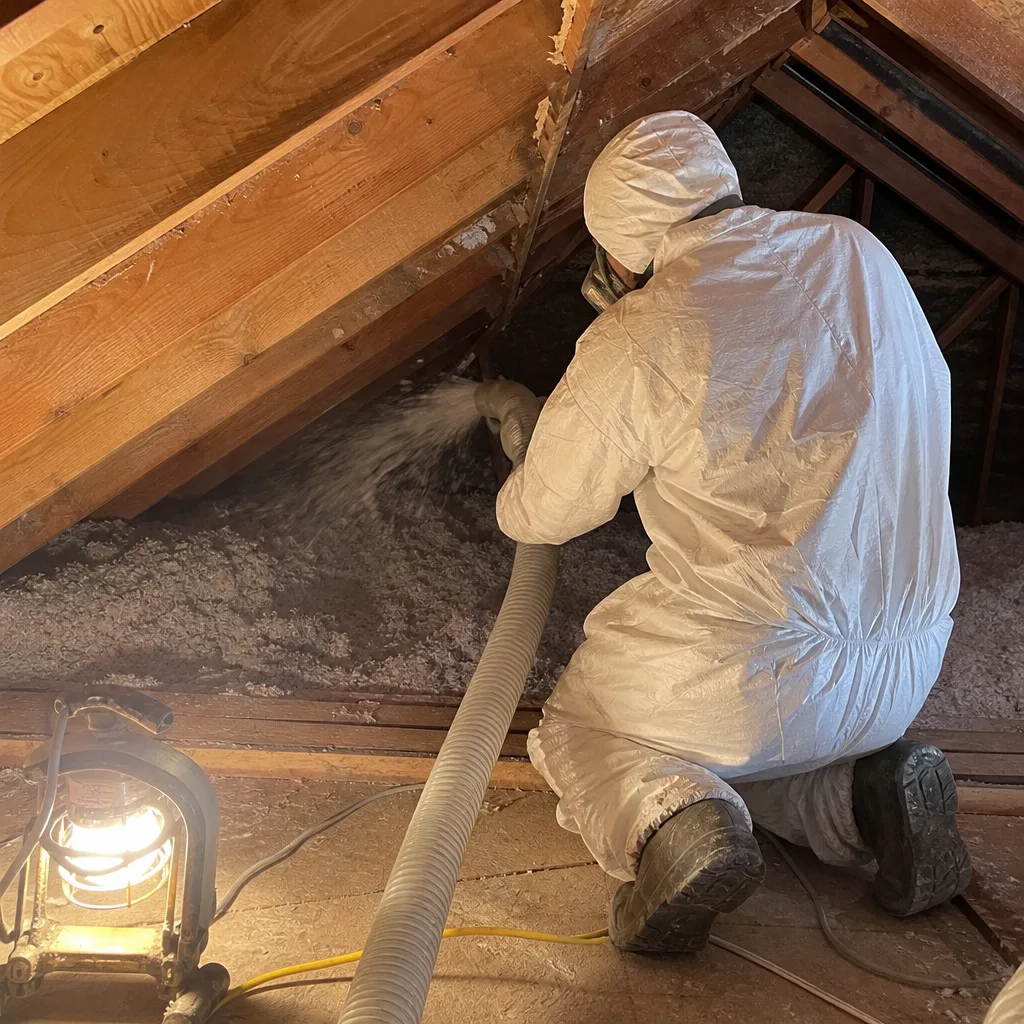
We carry materials most insulation contractors don’t, and that matters in coastal El Segundo because the wrong product fails fast here. Kraft-faced fiberglass from Johns Manville and CertainTeed handles most of the retrofit work in 1950s and 1960s tract homes. Rockwool mineral wool is the product we recommend when fire resistance and moisture control both matter, which is often the case near the refinery buffer zones and in attached-garage construction. For eco-conscious homeowners we install GreenFiber recycled cellulose, which fills the irregular cavities in older El Segundo attics exceptionally well. Because we install all of these, our crews carry the right stock for your specific house, and turnaround stays fast.
Common Attic Insulation Problems We See in El Segundo Homes
- Marine-layer condensation collapses batts. The morning dew cycle off the Pacific wicks into fiberglass and compresses it to half its original thickness. R-value drops dramatically, and the homeowner never sees it from the attic hatch.
- Kraft-paper vapor barriers fail after 40 – 60 years. On the 1940s – 1960s tract homes that define El Segundo’s residential streets, the original paper facing crinkles, tears, and lets damp air pass into insulation where it shouldn’t.
- South- and west-facing roof decks bake the insulation. Afternoon sun on these slopes heats the attic, then the evening marine layer chills it fast. Insulation that’s simultaneously damp and heat-cycled degrades faster than either condition alone.
- Old single-pane windows and minimal insulation work against each other. Many El Segundo homes still have original windows, which means attic insulation becomes the only real thermal barrier. When it’s compromised, the whole house feels it.
Pricing for Attic Insulation in El Segundo, CA
A standard attic insulation top-up in El Segundo runs $1,200 – $2,400 for a typical 1,200 – 1,600 square foot single-story home. Full removal of failed or damp insulation plus new blown-in cellulose or fiberglass runs $2,800 – $5,500 depending on attic size, access, and what we find during the inspection. Air sealing adds $400 – $900 on most homes, and attic baffles with ventilation corrections add $300 – $800. Attic cleaning services run $450 – $900, and mold treatment runs $800 – $2,200. These are real El Segundo ranges, not national averages recomputed. Every estimate is free, and we give you the actual number after walking your attic with you on the phone or in person.
We Also Serve Cities Near El Segundo
Warm House Insulation Co serves homeowners across the South Bay. Beyond El Segundo, our crews regularly work in Lennox, Del Aire, Hawthorne, and Marina del Rey. If you’re in any of those nearby cities, the same Attic Insulation expertise and coastal moisture diagnosis applies. Call (866) 361-3775 and we’ll confirm response time for your exact location.
Serving El Segundo, CA — Our Local Coverage Area
We’re based in the El Segundo area and know this community well. Use the map below to see our service coverage — if you’re nearby, we can almost certainly help.
FAQs About Attic Insulation in El Segundo
El Segundo’s marine layer creates a daily dew-point cycle that inland neighborhoods never experience. Moisture condenses on insulation surfaces each morning, wicks into fiberglass, and slowly collapses it while also degrading the kraft-paper vapor barrier. Inland attics get hot and dry; El Segundo attics get damp, then hot, then damp again, and the thermal cycling breaks down insulation faster. Call (866) 361-3775 if your attic hasn’t been inspected in the last decade.
In El Segundo, the answer is usually no. If the original batts are damp, compacted, or moldy from marine-layer condensation, blowing new material over them traps the moisture problem underneath your new insulation. We recommend pulling the failed material, air-sealing, and starting fresh so you’re not paying for insulation that will fail the same way in five years.
Check for a persistent musty smell in the hallway or bedrooms nearest the attic access, visible condensation on the underside of the roof deck in the morning, or batting that looks flattened and dark instead of fluffy. In El Segundo, the paper vapor barrier on old batts often crinkles and darkens along the dew line. If you see any of these, we can confirm with an attic inspection; estimates are free.
In El Segundo, most attic mold is condensation-driven, not leak-driven. The marine layer holds roof surfaces at dew point for hours each morning, and the resulting attic humidity feeds surface mold on sheathing, especially on north-facing slopes. Roof leaks are less common here than moisture from the air itself, which is why ventilation correction is usually part of the mold fix. Call (866) 361-3775 for a diagnosis.
For most El Segundo attics, we recommend Rockwool mineral wool where moisture resistance and fire performance matter most, and Johns Manville or CertainTeed fiberglass where budget dictates a conventional batt. For irregular older attic cavities, GreenFiber recycled cellulose fills gaps well and resists the settling better than some alternatives. The right choice depends on your attic’s specific conditions, which is why we inspect before we quote.
What El Segundo Homeowners Actually Experience
On a 1950s ranch off Virginia Street, our crew pulled down attic batts that were dark and compressed to half their designed thickness, with a visible dew line along the roof deck and the paper vapor barrier crinkled and failing. We removed the wet batts, treated a patch of surface mold on the sheathing, air-sealed the top plates and penetrations, and blew in GreenFiber cellulose to a uniform depth. The homeowner noticed the morning damp smell in the hallway was gone within a week. That’s not a rare find in El Segundo. It’s the standard condition of most original attics here, and it’s exactly why a simple top-off often isn’t the right fix.
El Segundo’s housing stock came up during the postwar Douglas Aircraft boom, and the builders then weren’t thinking about marine-layer condensation cycles or R-value retention after 60 years of coastal damp. They were building fast housing for aerospace workers, and the insulation reflected that. Today, the homes on streets from Pine Avenue to Mariposa Avenue to the blocks around El Segundo High School need a different approach. We inspect for what the marine layer has done to your attic, not just what the insulation chart says should be there.
If you live anywhere in 90245 and your rooms feel uneven, your cooling bill keeps climbing, or the hallway smells faintly damp in the morning, the problem is probably above your ceiling. Call (866) 361-3775 for a free estimate. We’ll walk the attic, tell you exactly what’s there and what it’s doing, and give you a real number, not a phone script.
Written by Ruben Castellano, Owner at Warm House Insulation Co, serving El Segundo and the South Bay with attic insulation diagnosis and installation.